คำแนะนำการซื้อเครื่องอบข้าวโพดครบถ้วน & แนวปฏิบัติที่ดีที่สุดสำหรับ 2026
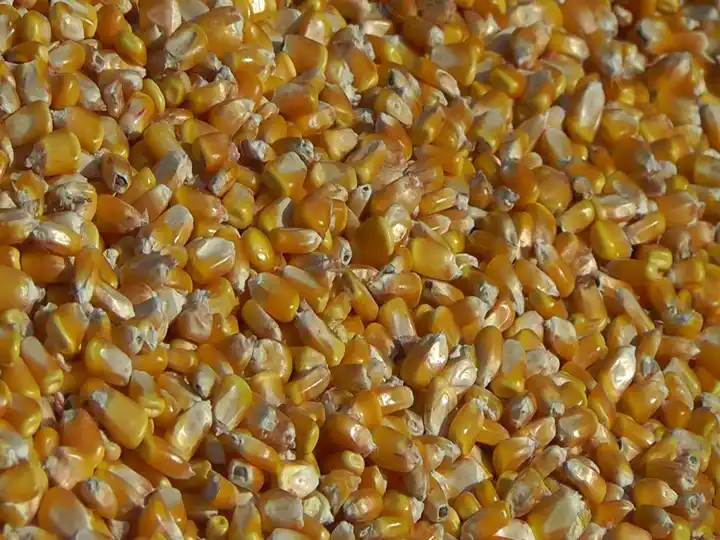
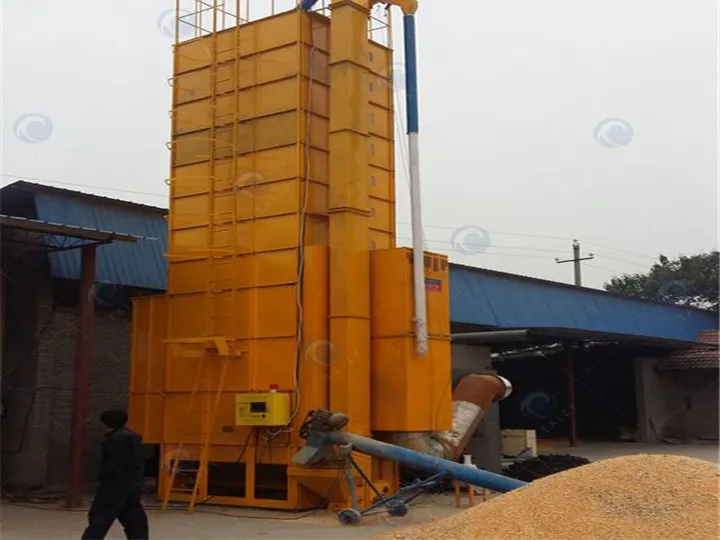
A corn dryer เป็นเครื่องจักรการเกษตรที่ออกแบบมาเพื่อลดปริมาณความชื้นของข้าวโพดที่เก็บเกี่ยวให้เข้าสู่ระดับการเก็บรักษาที่ปลอดภัย ป้องกันการเจริญรา และการเสียเสียในระหว่างการเก็บรักษา เครื่องอบธัญพืชนี้ช่วยลดความชื้นของข้าวโพดจาก 25-30% ลงมาที่ 13-14% ส่งผลให้อายุการเก็บรักษานานขึ้น จากหลายเดือนเป็นมากกว่าหนึ่งปี พร้อมรักษาอัตราการงอกและคุณค่าทางอาหาร.
ซีรีส์ Taizy corn dryer ของเราประกอบด้วยโมเดลความจุสูงสามรุ่น: TZ-10 (20 ม³), TZ-20 (37.5 ม³), และ TZ-35 (62 ม³) แต่ละรุ่นมอบความสามารถในการประมวลผลมากกว่า 800 กก./ชม ด้วยการลดความชื้นที่แม่นยำ 0.5-0.8% ต่อชั่วโมง ไม่ว่าคุณจะอบ 10 ตันหรื 35 ตันต่อรอบ เครื่องนี้สามารถปรับให้เข้ากับความต้องการของฟาร์ม หรือสถานประกอบการแปรรูปได้.
Beyond corn, this multi-function grain dryer handles wheat, rice, soybeans, barley, sorghum, sunflower seeds, and 15 other crops. Key features include automatic temperature control (adjustable 300-350°F), intelligent PLC control system for one-touch operation, and cross-flow mixed-flow hot air circulation that ensures even drying without kernel damage.
ในคู่มือฉบับนี้ คุณจะค้นพบทุกอย่างเกี่ยวกับ corn dryers for sale : วิธีการทำงาน คุณสมบัติวิเคราะห์ ราคาข้าวโพดอบ , กลยุทธ์การเลือกตามขนาดฟาร์ม และคำแนะนำการบำรุงรักษาจากผู้เชี่ยวชาญ ไม่ว่าคุณจะเป็นชาวสวนครอบครัวที่มองหาข้าวโพด maize แห้งในราคาประหยัดหรือผู้ประกอบการด้านการเกษตรที่กำลังประเมิน commercial corn dryer ทางเลือก บทความนี้มอบข้อมูลเชิงปฏิบัติที่จะช่วยปกป้องการลงทุนในการเก็บเกี่ยวของคุณ.
เครื่องอบข้าวโพดคืออะไรและทำงานอย่างไร?
A เครื่องอบข้าวโพด (เรียกว่า เครื่องอบเมล็ดข้าว หรือ เครื่องอบข้าวโพด) ได้รับการออกแบบมาเพื่อกำจัดความชื้นส่วนเกินออกจากข้าวโพดที่เพิ่งเก็บเกี่ยวผ่านการหมุนเวียนอากาศร้อนอย่างควบคุม หากไม่มีการอบแห้งที่เหมาะสม ข้าวโพดที่มีความชื้นสูงจะเกิดรา เชื้อราปนเปื้อน และความร้อนสูง ซึ่งนำไปสู่การสูญเสียหลังการเก็บเกี่ยวอย่างมาก

กระบวนการอบข้าวโพดทั้งหมด
ความเข้าใจในรอบการอบช่วยให้คุณใช้งานเครื่องอบข้าวโพดของคุณ ทางการเกษตรได้อย่างมีประสิทธิภาพมากขึ้น:
- การโหลด: คนงานเทข้าวโพดที่เก็บเกี่ยวลงในลิฟท์ถัง ซึ่งจะพามันไปที่ยอดของไซโลอบ
- การให้ความร้อน: เบา ไร้ไฟลับ: เครื่องจุดไฟเผาให้ความร้อนสูง (โดยปกติ 300-350°F / 150-180°C).
- การไหลเวียนอากาศ: พัดลมแรงดันสูงผลักลมร้อนผ่านชั้นธัญพืชด้วยการไหลผ่าน_cross, mixed-flow, หรือ counter-flow เพื่อให้ความร้อนสม่ำเสมอ.
- การระเหยความชื้น: เมื่ออากาศร้อนสัมผัสกับเมล็ดที่ชื้น ความชื้นที่ผิวหน้าจะระเหยออก แล้วอากาศอุ่นจะพาความชื้นออกผ่านช่องระบายอากาศ
- การทำน้ำเย็น: บางรุ่น เครื่องอบธัญพืชเชิงอุตสาหกรรม รวมถึงส่วนอบความชื้นระบายให้ข้าวโพดพักชั่วครู่ เพื่อให้ความชื้นภายในหายไปสู่ผิวหน้าเพื่อการอบที่สม่ำเสมอมากขึ้น.
- การเย็นตัว & การระบายออก: ข้าวโพดแห้งแล้วจะผ่านโซนทำให้เย็นเพื่อป้องกันความร้อนระหว่างการเก็บรักษา จากนั้นจ่ายออกผ่านลำเลียงสกรูสู่ถุงหรือถังเก็บ
กระบวนการทั้งหมดนี้ถูกทำให้เป็นอัตโนมัติในเครื่องอบข้าวโพดสมัยใหม่ เครื่องอบข้าวโพด PLC ควบคุมให้ตรวจสอบอุณหภูมิ ความชื้น และเวลาการอบ ปรับพารามิเตอร์แบบเรียลไทม์เพื่อเพิ่มประสิทธิภาพและคุณภาพธัญพืช.
คุณลักษณะสำคัญของเครื่องอบธัญพืชมืออาชีพ
ไม่ใช่เครื่องอบธัญพืชทางการเกษตรทุกเครื่องจะมีคุณสมบัติเท่ากัน ต่อไปนี้คือสเปคสำคัญที่แยกแยะระหว่างอุปกรณ์หรูหราและทางเลือกราคาประหยัด:
1. ความจุการอบ & ปริมาณ
เลือกรุ่น dryer ให้เหมาะกับปริมาณการเก็บเกี่ยวต่อวันของคุณ CONFIG ที่พบได้ทั่วไปรวมถึง:
| โมเดล | ปริมาณธัญพืช | ความสามารถต่อชั่วโมง | เหมาะสำหรับอะไร |
|---|---|---|---|
| TZ-10 | 20 ลูกบาศก์เมตร | มากกว่า 800 กก./ชม. | ฟาร์มขนาดเล็ก (50-100 เอเคอร์) |
| TZ-20 | 37.5 ม³ | มากกว่า 800 กก./ชม. | ฟังก์ชันกลางถึงขนาดกลาง (100-300 เอเคอร์) |
| TZ-35 | 63 ม³ | มากกว่า 800 กก./ชม. | ฟาร์มขนาดใหญ่ & สหกรณ์ (300 เอเคอร์) |
Pro tip: คำนวณปริมาณการเก็บเกี่ยวสูงสุด หากคุณเก็บเกี่ยว 50 ตัน/วันในช่วงฤดูพีค ให้เลือกเครื่องอบข้าวโพดเพื่อขายที่สามารประมวลผลปริมาณนั้นภายใน 12-16 ชั่วโมงเพื่อให้มีเวลาบำรุงรักษา.
2. ความสม่ำเสมอของความชื้น & อัตราการแตกร้าว
เครื่องอบ maize พรีเมียม สามารถรักษาความแตกต่างของความชื้นได้ ≤1% ตลอดทั้งชุด ไม่ให้เกิดการอบแห้งเกินหรืออบแห้งไม่ทั่วถึง มองหาคุณสมบัตินี้:
- การไหลผสม (Mixed-flow): ผสมการไหลผ่านข้าง (Cross-flow) และไหลย้อนกลับ (Counter-flow) เพื่อการแทรกซึมของความร้อนอย่างสม่ำเสมอ
- อัตราการแตกหักน้อย: คุณภาพ เครื่องอบเมล็ดพืช รักษาความเสียหายต่อเมล็ดให้น้อยกว่า 0.5% เพื่อรักษามูลค่าการตลาด
- การรักษาการงอกงามสูงสุด: สำคัญสำหรับเมล็ดพันธุ์; ตั้งเป้าการงอก >90% หลังการอบ
3. ความยืดหยุ่นของเชื้อเพลิง & ประหยัดพลังงาน
ต้นทุนการดำเนินงานขึ้นอยู่กับการเลือกเชื้อเพลิง Taizy corn dryers รองรับหลายประเภทเชื้อเพลิง:
- ถ่านหิน (economical ที่สุดในพื้นที่ที่มีถ่านหินมาก)
- ฟางข้าวเปลือก รากไม้ ชีวมวล (เหมาะสำหรับฟาร์มที่มีของเสียจากการเกษตร)
- แก๊สธรรมชาติ (เผาไหม้สะอาดที่สุด มีระบบจ่ายเชื่อมต่อ)
- ดีเซล (พกพา ราคาแพงขึ้นแต่เชื่อถือได้)
Advanced industrial grain dryers ฟีเจอร์ระบบกักเก็บความร้อนที่หมุนเวียนกลับมาใช้ใหม่ เพื่อประหยัดเชื้อเพลิงลง 15-25%
4. ระบบอัตโนมัติ & ระบบควบคุม
เครื่องอบธัญพืชเชิงพาณิชย์สมัยใหม่ ประกอบด้วย:
- อินเทอร์เฟซหน้าจอ PLC: ตั้งค่าความชื้น เป้าหมาย อุณหภูมิ และเวลาการอบด้วยการใช้งานหนึ่งคลิก
- การปรับอุณหภูมิอัตโนมัติ: เซ็นเซอร์ตรวจสอบอุณหภูมิเกสรและปรับการจุดติดไฟให้เหมาะสม
- เซ็นเซอร์ความชื้น: การติดตามผลแบบเรียลไทม์ช่วยป้องกันความแห้งเกินไป (ซึ่งเปลืองพลังงานและทำลายคุณภาพ)
- สัญญาณเตือนความปลอดภัย: การเตือนเมื่อเกิดความร้อนสูงเกินไป การอุด และข้อผิดพลาดกลไก

5. คุณภาพงานสร้างและความทนทาน
คุณลักษณะเครื่องอบธัญพืชที่มีมูลค่าในการลงทุน:
- ภายในสแตนเลส 316: ทนต่อการกัดกร่อนจากกรดในธัญพืชและความชื้น ยืดอายุการใช้งานถึง 15 ปี
- การเคลือบด้วยผงไฟฟ้าสถิต: ผนังด้านนอกทนต่อรังสี UV ความผันผวนอุณหภูมิ และ impacts ทางกายภาพ
- โครงสร้างเสริมค้ำยัน: จัดการโหลดธัญพืชเต็มรูปแบบโดยไม่บิดเบือน
ราคาค่าเครื่องอบข้าวโพด: คาดการณ์อะไรบ้างใน 2026
ราคาของเครื่องอบข้าวโพด แตกต่างกันตามความจุ ความอัตโนมัติ และระบบเชื้อเพลิง ต่อไปนี้เป็นการสรุปที่เป็นจริง:
| หมวดหมู่ | ช่วงความจุ | ช่วงราคาถุงเงิน (USD) | ผู้ซื้อต้นแบบ |
|---|---|---|---|
| เครื่องอบข้าวโพดขนาดเล็ก | 10-15 ตัน/รอบ | $12,000 – $18,000 | ฟาร์มครอบครัว สหกรณ์ขนาดเล็ก |
| เครื่องอบข้าวโพดระดับกลางสำหรับพาณิชย์ | 20-35 ตัน/รอบ | $18,000 – $28,000 | ฟาร์มขนาดกลาง เนเจอ้าวที่เก็บสินค้าทางการเกษตร |
| เครื่องอบข้าวโพดอุตสาหกรรมขนาดใหญ่ | มากกว่า 50 ตัน/รอบ | $35,000 – $60,000 | ฟาร์มขนาดใหญ่ ผู้ประกอบการด้านการแปรรูป |
ค่าใช้จ่ายเพิ่มเติมที่ควรคำนึงถึง:
- การติดตั้งและฐานราก: 2,000-5,000 USD
- การติดตั้งระบบเชื้อเพลิง (ท่อแก๊ส ถังเชื้อเพลิงดีเซล ระบบป้อนชีวมวล): 1,500-4,000 USD
- งานติดตั้ง (ไฟฟ้ากระแสสามเฟส, แผงควบคุม): 1,000-3,000 USD
- การบำรุงรักษาประจำปี (กรอง, ลูกปืน, หัวฉีดเชื้อเพลิง): 500-1,200 USD
ตัวอย่างการคำนวณ ROI: เครื่องอบข้าวโพดข้าวโพด 22,000 ดอลลาร์ ที่ประมวลผล 30 ตัน/วัน สามารถลดการสูญเสียหลังการเก็บเกี่ยวจาก 8% เหลือ 1% ในช่วงฤดูการ มูลค่าข้าวโพด $200/ตัน นั่นคือการประหยัด $4,200 ต่อฤดูกาล งบประมาณผู้ผลิตเพิ่มขึ้นสำหรับข้าวโพดคุณภาพสูงที่อบแห้ง ( $15/ตัน) และการคืนทุนเกิดขึ้นใน 3-4 ฤดูกาลการเก็บเกี่ยว.
วิธีเลือกเครื่องอบข้าวโพดที่เหมาะกับฟาร์มของคุณ
การเลือกเครื่องอบข้าวโพดในอุดมการณ์ที่เหมาะสมกับการปฏิบัติงานของคุณตาม framework การตัดสินใจนี้:
ขั้นตอนที่ 1: ประเมินปริมาณการเก็บเกี่ยวต่อวันของคุณ
คำนวณปริมาณการเก็บเกี่ยวสูงสุด:
ปริมาณรายวัน (ตัน) = ไร่เก็บเกี่ยว × ผลผลิต (ตัน/ไร่) ÷ จำนวนวันที่เก็บเกี่ยว ตัวอย่าง: 200 ไร่ × 9 ตัน/ไร่ ÷ 10 วัน = 180 ตัน/วันสำหรับ 180 ตันต่อวัน คุณจะต้องมีอย่างน้อยสองรุ่น TZ-20 หรือหนึ่ง TZ-35 ที่ทำงานสองกะ
ขั้นตอนที่ 2: ประเมินตัวเลือกเชื้อเพลิงของคุณ
เลือกเชื้อเพลิงที่ประหยัดที่สุดและเข้าถึงได้:
| ชนิดเชื้อเพลิง | ต้นทุนต่อตันที่อบแห้ง | เหมาะสำหรับอะไร |
|---|---|---|
| ถ่านหิน | $3-$5 | พื้นที่ที่เข้าถึงถ่านหินราคาถูก |
| เชื้อเพลิงชีวมวล (กะลาข้าว, ชิ้นไม้) | $2-$4 | ฟาร์มที่มีของเสียทางการเกษตร |
| ก๊าซธรรมชาติ | $6-$9 | พื้นที่ที่มีโครงสร้างท่อส่งน้ำ |
| ดีเซล | $10-$14 | สถานที่ห่างไกล, เชื้อเพลิงสำรอง |
ขั้นตอนที่ 3: พิจารณาการขยายในอนาคต
หากคุณวางแผนขยายพื้นที่ปลูกหรือให้บริการอบแห้งแบบกำหนดเองให้กับเพื่อนบ้าน ให้เลือกเครื่องอบข้าวโพดเชิงพาณิชย์ของคุณตอนนี้ Design แบบโมดูลช่วยให้คุณเพิ่มกำลังการผลิตในภายหลัง.
ขั้นตอนที่ 4: ตรวจสอบการสนับสนุนจากผู้ผลิต
ผู้ผลิต corn dryer ที่เชื่อถือได้จะให้:
-
- คำแนะนำการติดตั้ง (วิดีโอ, คู่มือ, หรือสนับสนุนในสถานที่)
-
- สต็อกอะไหล่พร้อมส่งด่วน
-
- สายด่วนสนับสนุนทางเทคนิคหรือแชท
-
- การรับประกันครอบคลุม (อย่างน้อย 1 ปี สำหรับชิ้นส่วนหลัก)

การอบแห้งหลายพืช: นอกเหนือจากข้าวโพด
หนึ่งในข้อได้เปรียบที่สำคัญที่สุดของการลงทุนในเครื่องอบธัญพืชที่มีคุณภาพ คือความหลากหลาย Taizy corn dryers สามารถจัดการกับพืชเก็บแล้วมากกว่า 20 ชนิดได้อย่างมีประสิทธิภาพ:
-
- ธัญพืช: ข้าวสาลี, ข้าวบาร์เลย์, ข้าวโอ๊ต, ข้าวฟ่าง, ข้าว millet
-
- พืชตระกูลถั่ว: ถั่วเหลือง, ถั่วงอก, ถั่วแดง, ถั่วดำ, ถั่วลันเตา
-
- เมล็ดพืชน้ำมัน: เมล็ดทานตะวัน, น้ำมันเรพซีด
-
- อื่น ๆ: ข้าว (ข้าวเปลือก), บัควีท, ควินัว
แต่ละพืชมีขีดจำกัดอุณหภูมิและระดับความชื้นเป้าหมาย เครื่องอบพืชทางการเกษตรคุณภาพสูงอนุญาตให้ปรับได้อย่างแม่นยำ:
| พืชผล | อุณหภูมิสูงสุดในการอบแห้ง | ความชื้นเป้าหมาย | อัตราการอบแห้ง |
|---|---|---|---|
| ข้าวโพด (ข้าวโพดหวาน) | 350°F (180°C) | 13-14% | 0.5-0.8%/ชั่วโมง |
| ข้าวเปลือก: | 140°F (60°C) | 12-13% | 0.3-0.5%/ชั่วโมง |
| ข้าวสาลี | 150°F (65°C) | 12-13% | 0.5-0.7%/ชั่วโมง |
| ถั่วเหลือง | 180°F (82°C) | 10-12% | 0.4-0.6%/ชั่วโมง |
| เมล็ดทานตะวัน | 160°F (71°C) | 8-10% | 0.3-0.5%/ชั่วโมง |
ความยืดหยุ่นนี้เปลี่ยนเครื่องอบเมล็ดข้าวโพดของคุณให้กลายเป็นสินทรัพย์ตลอดทั้งปี สร้างรายได้แม้ในนอกฤดูการเก็บเกี่ยวข้าวโพด.
แนวทางปฏิบัติที่ดีที่สุดในการใช้งานเครื่องอบข้าวโพด
เพิ่มประสิทธิภาพและคุณภาพข้าวโพดด้วยเคล็ดลับจากผู้เชี่ยวชาญเหล่านี้:
การเตรียมล่วงหน้า ก่อนฤดูกาล
-
- ทำความสะอาดท่ออากาศและช่องระบายอากาศทั้งหมดเพื่อให้แน่ใจว่าการไหลของอากาศเป็นไปอย่างถูกต้อง
-
- หล่อลื่นลูกปืน, โซ่, และชิ้นส่วนเคลื่อนไหวตามกำหนดของผู้ผลิต
-
- ทดสอบเซ็นเซอร์และสัญญาณเตือนความปลอดภัยทั้งหมด
-
- ตรวจสอบระบบเชื้อเพลิงสำหรับรอยรั่วหรืออุดตัน
-
- ดำเนินการทดสอบรันเปล่าเพื่อยืนยันการควบคุมและการสอบเทียบอุณหภูมิ
ระหว่างการอบ
-
- อย่าใส่เกินพิกัด: การเกินความจุที่กำหนดลดการไหลเวียนของอากาศและทำให้การอบแห้งไม่สม่ำเสมอ
-
- ติดตามความชื้นอย่างสม่ำเสมอ: ทดสอบตัวอย่างทุก 30-60 นาทีเพื่อหลีกเลี่ยงการอบแห้งเกินไป
-
- ทำความสะอาดเมล็ดก่อนอบแห้ง: เอากะลา, ลำต้น, และเศษวัสดุที่อุดกั้นการไหลของอากาศออก
-
- ใช้การปรับอุณหภูมิเมื่อเป็นไปได้: ปล่อยให้ข้าวโพดพัก 2-4 ชั่วโมงระหว่างรอบการอบแห้งเพื่อผลลัพธ์ที่สม่ำเสมอมากขึ้น
-
- การบันทึกข้อมูล: บันทึกการใช้เชื้อเพลิง, เวลาการอบแห้ง, และระดับความชื้นเพื่อหาโอกาสในการปรับปรุง
บำรุงรักษาหลังฤดูกาล
-
- ทำความสะอาดภายในอย่างละเอียดเพื่อกำจัดฝุ่นและเศษข้าวโพด
-
- ระบายน้ำมันเชื้อเพลิงออกหรือเติมสารกันเสถียรสำหรับการเก็บรักษา
-
- เปลี่ยนไส้กรอง, ซีล, และแผ่นยางกันรั่วที่สึกหรอ
-
- ซ่อมแซมสีลอกหรือสนิมที่เกิดขึ้น
-
- คลุมยูนิตกลางแจ้งหรือเก็บในที่แห้ง
คำถามที่พบบ่อยเกี่ยวกับเครื่องอบข้าวโพด
Q: อุณหภูมิที่เหมาะสมในการอบข้าวโพดคือเท่าไร?
A: อุณหภูมิที่เหมาะสมของข้าวโพดอบอยู่ที่ 300-350°F (150-180°C) สำหรับอากาศร้อน อุณหภูมิที่สูงขึ้นจะเร่งการอบ แต่เสี่ยงต่อความเสียหายของเมล็ดและการงอกลดลง สำหรับข้าวโพดพันธุ์เมล็ดพันธุ์ ให้ต่ำกว่า 320°F (160°C) ในฐานะผู้ผลิต maize dryer machine|| Taizy dryers มีระบบควบคุมอุณหภูมิอัตโนมัติในช่วงนี้ โดยปรับตามสภาพเมล็ด.
Q: ใช้เวลานานแค่ไหนในการอบให้แห้ง?
A: เวลาอบขึ้นอยู่กับความชื้นเริ่มต้น ความชื้นเป้าหมาย และความจุของเครื่องอบ ปกติจะลดความชื้น 0.5-0.8% ต่อชั่วโมง เพื่ออบข้าวโพดจาก 25% เหลือ 14% (ลดลง 11%) การอบข้าวโพดจากราคา 200 ดอลลาร์/ตัน ถือเป็นมูลค่าประหยัดต่อฤดูกาล ประกอบด้วยราคาข้าวโพดคุณภาพสูงที่อบแห้ง ( $15/ตัน) และการจ่ายคืนจะเกิดขึ้นใน 3-4 ฤดูกาลการเก็บเกี่ยว.
เวลา = 11% ÷ 0.6%/ชั่วโมง ≈ 18-20 ชั่วโมงเครื่องอบข้าวโพดเชิงพาณิชย์ที่มีประสิทธิภาพสูงกับการออกแบบแบบผสมลำ (Mixed-flow) สามารถลดเวลาลงเหลือ 14-16 ชั่วโมง.
Q: เครื่องอบข้าวโพดเชิงพาณิชย์ราคาเท่าไร?
A: ราคาของเครื่องอบข้าวโพด แตกต่างกันตามความจุและคุณสมบัติ:
-
- ชุดเล็ก (10-15 ตัน): $12,000-$18,000
-
- ความจิปานกลาง (20-35 ตัน): $18,000-$28,000
-
- เครื่องอบแบบไหลต่อเนื่องขนาดใหญ่ (50 ตัน): $35,000-$60,000+
ต้นทุนเพิ่มเติมรวมถึงการติดตั้ง ($2,000-$5,000) การตั้งค่าระบบเชื้อเพลิง และงานไฟฟ้า ติดต่อผู้ผลิตเพื่อขอใบเสนอราคาที่ปรับแต่งตามความต้องการของคุณ
Q: เครื่องเดียวสามารถอบพืชหลายชนิดได้ไหม?
A: ใช่! เครื่องอบธัญพืชหลายฟังก์ชัน ที่ใช้กับข้าวโพด, ข้าวสาลี, ข้าว, ถั่วเหลือง, และพืชมากกว่า 15 ชนิด. กุญแจคือการปรับอุณหภูมิและอัตราการอบสำหรับลักษณะของแต่ละพืช. เครื่องอบข้าวโพดทางการเกษตรคุณภาพสูง มีโปรแกรมสำเร็จรูปสำหรับธัญพืชที่ใช้บ่อย.
Q: ความแตกต่างระหว่างเครื่องอบแบบ Batch และ Continuous flow คืออะไร?
A:
-
- เครื่องอบแบบเป็นชุด: บรรจุในปริมาณคงที่, อบให้แห้งสนิท, แล้วจึงถอดออก เหมาะสำหรับฟาร์มขนาดเล็กถึงกลาง, การดำเนินงานง่าย, ต้นทุนต่ำ
-
- เครื่องอบแบบไหลต่อเนื่อง: เมล็ดข้าวโพดไหลผ่านโซนอบแห้งอย่างต่อเนื่อง ความจุสูงขึ้น เหมาะสำหรับการดำเนินงานขนาดใหญ่ แต่มีราคาและความซับซ้อนมากขึ้น
Taizy TZ series เป็น batch-type recirculating dryers ซึ่งเหมาะสำหรับฟาร์มถึง 500 เอเคอร์.
Q: ฉันจะคำนวณต้นทุนการดำเนินงานได้อย่างไร?
A: ใช้สูตรนี้:
ต้นทุนต่อโทน = (การใช้เชื้อเพลิง × ราคาน้ำมันเชื้อเพลิง ค่าไฟฟ้า) ÷ ตันที่แห้ง ตัวอย่าง: - การใช้น้ำมันดีเซล: 8 ลิตร/ตัน × $1.2/ลิตร = $9.60 - ไฟฟ้า: 5 กิโลวัตต์/ตัน × $0.15/กิโลวัตต์ชั่วโมง = $0.75 - รวม: $10.35 ต่อตันเชื้อเพลิงชีวมวล (กะลาข้าว, ชิ้นไม้) สามารถลดต้นทุนลงเหลือ $3-5/ตัน หากมีในท้องถิ่น
การเปรียบเทียบชนิดของเครื่องอบข้าวโพด: แบบไหนที่เหมาะกับคุณ?
ทำความเข้าใจการออกแบบ grain dryer ที่ต่างกัน เพื่อช่วยให้คุณตัดสินใจได้อย่างมีข้อมูล:
| ประเภท | ข้อดี: | ข้อเสีย: | เหมาะสำหรับอะไร |
|---|---|---|---|
| เครื่องอบแบบข้ามไหล: | ออกแบบง่าย ราคาประหยัด บำรุงรักษาง่าย | การอบแห้งไม่สม่ำเสมอมากขึ้น, การแตกหักสูงขึ้น | ฟาร์มขนาดเล็กที่คำนึงถึงงบประมาณ |
| เครื่องอบแบบผสมไหล | การอบแห้งอย่างสม่ำเสม, คุณภาพสูง, ประหยัดพลังงาน | ต้นทุนเริ่มต้นสูงขึ้น | ดำเนินงานเน้นคุณภาพ (แนะนำ) |
| เครื่องอบแบบข้ามไหล | คุณภาพเมล็ดข้าวดีที่สุด ประสิทธิภาพสูงสุด | แพงที่สุด ซับซ้อนที่สุด | การดำเนินงานเชิงพาณิชย์ขนาดใหญ่ |
| เครื่องอบในถัง | ต้นทุนต่ำ ทำหน้าที่เป็นที่เก็บรักษาได้ด้วย | การอบแห้งช้า ขึ้นอยู่กับสภาพอากาศ | ฟาร์มขนาดเล็กมาก, การอบแห้งสำรอง |
ข้อแนะนำ: สำหรับฟาร์มเชิงพาณิชย์ส่วนใหญ่ เครื่องอบแบบผสมลำ อย่าง Taizy TZ series มอบสมดุลที่ดีที่สุดของคุณภาพเมล็ดพืช, ประสิทธิภาพ, และราคาที่จับต้องได้.
ทำไมถึงลงทุนในเครื่องอบข้าวโพดมืออาชีพ?
ยังสงสัยว่าเครื่องอบข้าวโพดเพื่อขายคุ้มค่าการลงทุนไหม? พิจารณาประโยชน์ดังนี้:
-
- ลดการสูญเสียหลังการเก็บเกี่ยว: ลดลงจาก 8-12% เหลือ 1-2%, ประหยัดเงินหลายพันดอลลาร์ต่อปี
-
- เก็บเกี่ยวก่อนเวลา: อย่ารอให้ข้าวในสนามแห้งเอง; เอาชนะความเสี่ยงจากสภาพอากาศและตลาดล้น
-
- คุณภาพเมล็ดข้าวโพดระดับพรีเมียม: ความชื้นสม่ำเสมอ, ความเสียหายน้อย, ราคาตลาดสูงขึ้น
-
- การเก็บรักษาในระยะยาว: ข้าวโพดที่แห้งอย่างถูกต้องสามารถเก็บได้นาน 12-18 เดือน เทียบกับ 2-3 เดือนที่ไม่ได้รับการบำบัด
-
- รายได้ตลอดปี: อบพืชผลให้เพื่อนบ้านหรือขยายเข้าสู่การแปรรูปหลายพืชผล
-
- ความเป็นอิสระด้านพลังงาน: ใช้เชื้อเพลิงชีวมวลจากฟาร์ม (กะลาข้าวโพด, กะลาข้าว rice husk) เพื่อลดต้นทุนเหลือ $3-5/ตัน หากมีในท้องถิ่น
เครื่องอบธัญพืชอุตสาหกรรมที่มีคุณภาพจะคุ้มทุนใน 3-5 ฤดูกาล ขณะเดียวกันก็ดักกันความเสี่ยงจากสภาพอากาศ เชื้อรา และจังหวะตลาดที่ไม่แน่นอน.

สรุป: เลือกการอบแห้งคุณภาพเพื่อความสำเร็จระยะยาว
เครื่องอบข้าวโพดที่เชื่อถือได้เป็นมากกว่าอุปกรณ์—it คือข้อได้เปรียบในการแข่งขัน. ด้วยการลดการสูญเสียหลังการเก็บเกี่ยว รักษาคุณภาพของเมล็ด และการเก็บเกี่ยวที่ตรงเวลา เครื่องอบธัญพืชมืออาชีพมอบ ROI ที่จับต้องได้ภายใน 3-4 ฤดูกาล
ไม่ว่าคุณจะเป็นฟาร์มครอบครัวที่ต้องการเครื่องอบ maize ในราคาคุ้มค่าหรือผู้ประกอบการด้านการเกษตรที่ประเมินเครื่องอบธัญพืชเชิงพาณิชย์ เลือกที่คุณภาพในการสร้าง automation และการสนับสนุนจากผู้ผลิตมากกว่าราคาถูกที่สุด เพื่อการปกป้องการเก็บเกี่ยวของคุณที่ดีที่สุด.
พร้อมที่จะสำรวจโซลูชันการอบข้าวโพดหรือไม่? Taizy Machinery มีโมเดลที่พิสูจน์แล้วสามรุ่น (TZ-10, TZ-20, TZ-35) ที่มีกำลังการผลิตมากกว่า 800 กก./ชม., ความยืดหยุ่นในการใช้งานหลายเชื้อเพลิง, และการควบคุมด้วย PLC อัจฉริยะ เรียนรู้เพิ่มเติมเกี่ยวกับซีรีส์เครื่องอบข้าวโพดของเรา หรือ ติดต่อทีมงานของเราเพื่อขอคำปรึกษาฟรีที่ปรับให้เข้ากับความต้องการของฟาร์มของคุณ.
อุปกรณ์ที่เกี่ยวข้อง
-
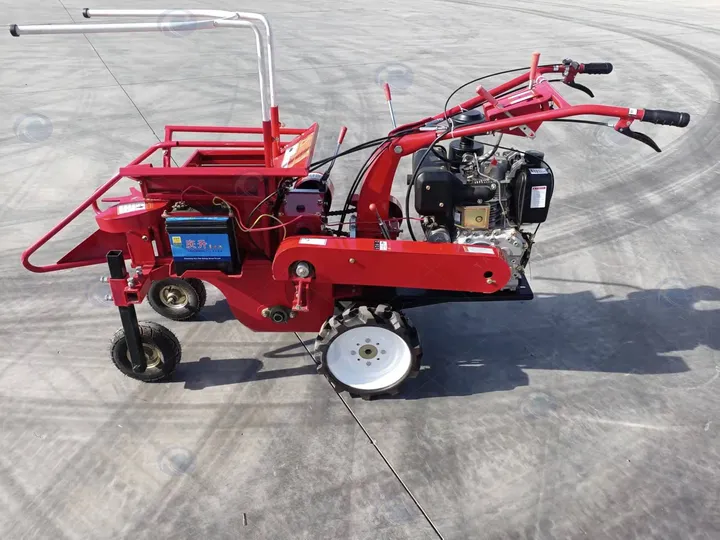
- เครื่องเก็บเกี่ยวข้าวโพด – เก็บเกี่ยวข้าวโพดอย่างมีประสิทธิภาพที่ระดับความชื้นที่เหมาะสมสำหรับการอบแห้ง
-
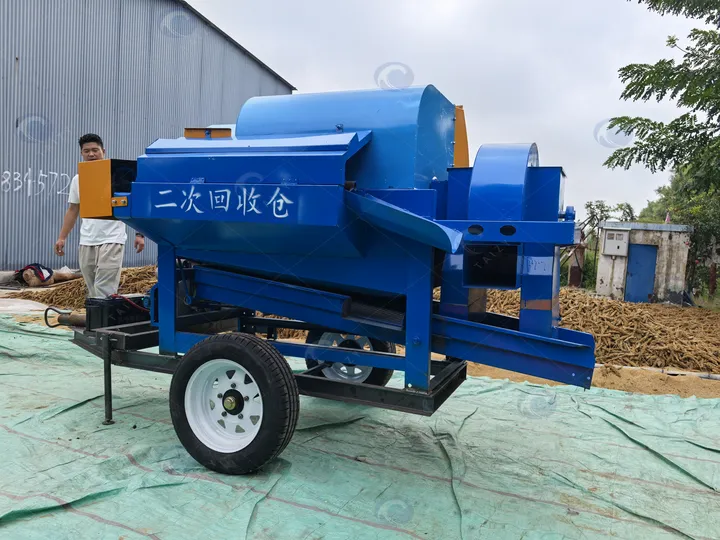
- เครื่องกลั่นข้าวโพดเชิงพาณิชย์ – เอาเมล็ดออกจากกะลาก่อนการอบแห้ง เพิ่มประสิทธิภาพการอบแห้ง
-
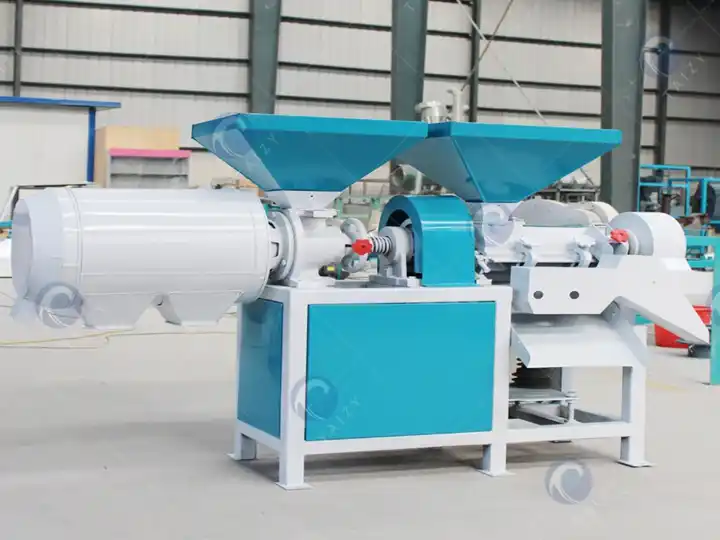
- เครื่องบดข้าวโพดหยาบ – แปรรูปข้าวโพดแห้งเป็นผลิตภัณฑ์เสริมมูลค่า เช่น ข้าวจ้าวและแป้ง
มีคำถามเกี่ยวกับเครื่องอบข้าวโพดไหม? ฝากข้อความด้านล่างหรือ ติดต่อทีมงานของเรา เราพร้อมช่วยให้คุณประสบความสำเร็จ!