دليل المشتري الكامل لمجفف الذرة وأفضل الممارسات لـ 2026
مجفف الذرة هو آلة زراعية متخصصة مصممة لتقليل محتوى الرطوبة في الذرة المحصودة (الذرة) إلى مستويات تخزين آمنة، مما يمنع نمو العفن والتلف. يقوم هذا المجفف الصناعي بكفاءة بخفض رطوبة الذرة من 25-30% إلى 13-14%، مما يمدد عمر التخزين من شهور إلى أكثر من عام مع الحفاظ على معدلات الإنبات والجودة الغذائية.
تشمل سلسلة مجففات الذرة Taizy ثلاثة نماذج عالية السعة: TZ-10 (20 م³)، TZ-20 (37.5 م³)، و TZ-35 (62 م³)، كل منها يوفر أكثر من 800 كجم/ساعة سعة معالجة مع تقليل دقيق للرطوبة بنسبة 0.5-0.8% في الساعة. سواء كنت تجفف 10 أطنان أو 35 طنًا لكل دفعة، فإن هذه الآلات تتكيف لتلبية احتياجات مزرعتك أو منشأتك.
ما وراء الذرة، تتعامل هذه المجفف متعدد الوظائف مع القمح، والأرز، وفول الصويا، والشعير، والدخن، وبذور عباد الشمس، وأكثر من 15 محصولًا آخر. تشمل الميزات الرئيسية التحكم التلقائي في درجة الحرارة (قابل للتعديل 300-350°F)، نظام التحكم الذكي PLC للتشغيل بلمسة واحدة، و تدوير الهواء الساخن بتدفق متقاطع تدفق مختلط الذي يضمن تجفيفًا متساويًا دون تلف الحبوب.
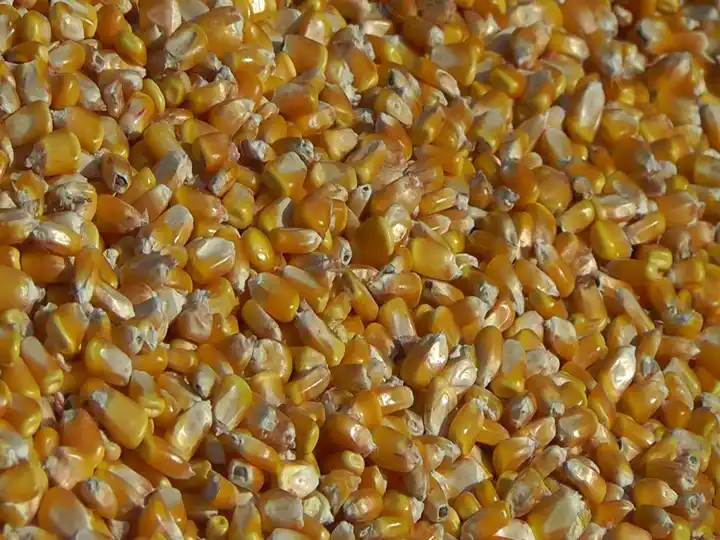
في هذا الدليل الشامل، ستكتشف كل شيء عن مجففات الذرة للبيع : كيف تعمل، الميزات الحرجة التي يجب تقييمها، أسعار مجففات الذرة الواقعية، استراتيجيات الاختيار بناءً على حجم المزرعة، ونصائح صيانة الخبراء. سواء كنت مزارعًا عائليًا تبحث عن مجفف حبوب بتكلفة معقولة أو شركة زراعية تقيم خيارات مجفف الذرة التجاري، يوفر لك هذا المقال رؤى قابلة للتنفيذ لحماية استثمار حصادك.
ما هو مجفف الذرة وكيف يعمل؟
مجفف الذرة (يسمى أيضًا آلة مجفف الحبوب أو مجفف الذرة) مصمم لإزالة الرطوبة الزائدة من الذرة المحصودة حديثًا من خلال دوران الهواء الساخن المنظم. بدون تجفيف مناسب، تتطور الذرة عالية الرطوبة بسرعة إلى العفن، والسموم الفطرية، والأضرار الحرارية، مما يؤدي إلى خسائر كبيرة بعد الحصاد.

عملية تجفيف الذرة الكاملة
فهم دورة التجفيف يساعدك على تشغيل مجفف الذرة الزراعي الخاص بك بشكل أكثر فعالية:
- التحميل: يقوم العمال بصب الذرة المحصودة في مصعد دلو، الذي ينقلها إلى قمة صومعة التجفيف.
- التسخين: يولد موقد أو عنصر تسخين هواء ساخن (عادة 300-350°F / 150-180°C).
- دوران الهواء: تدفع المراوح عالية الضغط الهواء الساخن عبر سرير الحبوب باستخدام أنماط التدفق المتقاطع، التدفق المختلط، أو التدفق المعاكس. يضمن ذلك توزيع الحرارة بشكل متساوٍ.
- تبخر الرطوبة: عندما يتلامس الهواء الساخن مع الحبوب الرطبة، تتبخر الرطوبة السطحية. ثم يحمل الهواء الدافئ الرطوبة بعيدًا عبر فتحات العادم.
- التكييف: بعض مجففات الحبوب الصناعية تتضمن قسم تكييف حيث تستريح الذرة لفترة وجيزة، مما يسمح للرطوبة الداخلية بالانتقال إلى السطح لتجفيف أكثر تجانسًا.
- التبريد والتفريغ: تمر الذرة المجففة عبر منطقة تبريد لمنع الضغط الحراري أثناء التخزين، ثم يتم تفريغها عبر ناقل لولبي إلى أكياس أو صناديق تخزين.
تتم أتمتة هذه العملية بالكامل في آلات مجفف الذرة الحديثة. يراقب نظام التحكم PLC درجة الحرارة، ومستويات الرطوبة، ووقت التجفيف، ويعدل المعلمات في الوقت الحقيقي لتحسين الكفاءة وجودة الحبوب.
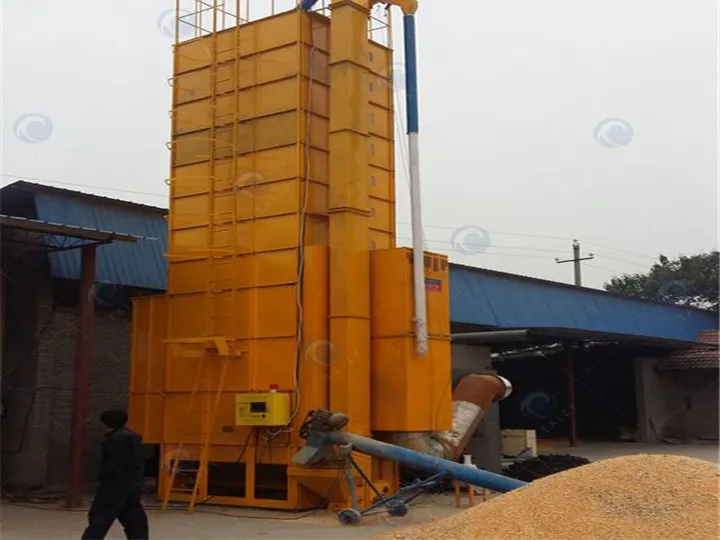
الميزات الرئيسية لمجففات الحبوب الاحترافية
ليس كل مجففات الحبوب الزراعية متساوية. إليك المواصفات الحرجة التي تفصل بين المعدات الممتازة والبدائل ذات الميزانية المحدودة:
1. سعة التجفيف والحجم
تطابق حجم المجفف مع حجم حصادك اليومي. تشمل التكوينات الشائعة:
| نموذج | حجم الحبوب | السعة بالساعة | الأفضل لـ |
|---|---|---|---|
| TZ-10 | 20 م³ | 800 كجم/ساعة | المزارع الصغيرة (50-100 فدان) |
| TZ-20 | 37.5 م³ | 800 كجم/ساعة | عمليات متوسطة (100-300 فدان) |
| TZ-35 | 62 م³ | 800 كجم/ساعة | المزارع الكبيرة والتعاونيات (300 فدان) |
نصيحة احترافية: احسب حجم حصادك الأقصى. إذا كنت تحصد 50 طنًا/يوم خلال ذروة الموسم، اختر مجفف ذرة للبيع يمكنه معالجة هذا الحجم في غضون 12-16 ساعة للسماح بوقت الصيانة.
2. تجانس الرطوبة ومعدل الكسر
تحقق مجففات الذرة الممتازة تباين رطوبة ≤1% عبر الدفعة، مما يمنع التجفيف المفرط أو الناقص المحلي. ابحث عن:
- تصميم تدفق مختلط: يجمع بين التدفق المتقاطع والتدفق المعاكس لاختراق الحرارة المتساوي
- معدل كسر منخفض: جودة آلات مجفف الحبوب الحفاظ على تلف الحبة أقل من 0.5%، مما يحافظ على القيمة السوقية
- حفظ إنبات عالي: حرج لذرة البذور؛ الهدف >90% إنبات بعد التجفيف
3. مرونة الوقود وكفاءة الطاقة
تعتمد تكاليف التشغيل بشكل كبير على اختيار الوقود. تدعم مجففات الذرة Taizy أنواع وقود متعددة:
- فحم (الأكثر اقتصادية في المناطق الغنية بالفحم)
- قش الأرز، رقائق الخشب، الكتلة الحيوية (مثالي للمزارع التي تحتوي على نفايات زراعية)
- الغاز الطبيعي (الأكثر نظافة، إمداد مريح عبر الأنابيب)
- ديزل (محمول، تكلفة أعلى ولكن موثوق)
تتميز مجففات الحبوب الصناعية المتقدمة بأنظمة استرداد الحرارة التي تعيد تدوير حرارة العادم، مما يقلل من استهلاك الوقود بنسبة 15-25%.
4. أنظمة الأتمتة والتحكم
تشمل مجففات الذرة التجارية الحديثة:
- واجهة شاشة تعمل باللمس PLC: حدد الرطوبة المستهدفة، ودرجة الحرارة، ووقت التجفيف بعملية لمسة واحدة
- تعديل درجة الحرارة التلقائي: تكتشف المستشعرات درجة حرارة الحبوب وتعدل خرج الموقد
- مستشعرات الرطوبة: يمنع المراقبة في الوقت الحقيقي التجفيف المفرط (الذي يهدر الطاقة ويضر بالجودة)
- إنذارات السلامة: تنبيهات لارتفاع درجة الحرارة، الانسدادات، أو الأعطال الميكانيكية

5. جودة البناء والمتانة
مجففات الحبوب ذات الجودة الاستثمارية تشمل:
- داخلية من الفولاذ المقاوم للصدأ 316: مقاوم للتآكل من أحماض الحبوب والرطوبة، مما يمدد عمر الخدمة إلى 15 سنة
- طلاء مسحوق كهربائي: الخارج يتحمل التعرض للأشعة فوق البنفسجية، تقلبات الحرارة، والصدمات الفيزيائية
- دعامات هيكلية معززة: يتعامل مع الحمولة الكاملة من الحبوب دون تشوه
سعر مجفف الذرة: ماذا تتوقع في 2026
أسعار مجففات الذرة تختلف بناءً على السعة ومستوى الأتمتة ونظام الوقود. إليك تحليل واقعي:
| فئة | نطاق السعة | نطاق الأسعار (دولار أمريكي) | المشترين النموذجيين |
|---|---|---|---|
| مجفف ذرة دفعة صغيرة | 10-15 طن/دفعة | $12,000 – $18,000 | المزارع العائلية، التعاونيات الصغيرة |
| مجفف ذرة تجاري متوسط | 20-35 طن/دفعة | $18,000 – $28,000 | المزارع المتوسطة، مصاعد الحبوب |
| مجفف حبوب صناعي كبير | 50 طن/دفعة | $35,000 – $60,000 | الشركات الزراعية الكبيرة، مصانع المعالجة |
التكاليف الإضافية التي يجب وضعها في الميزانية:
- التثبيت والأساس: $2,000-$5,000
- إعداد نظام الوقود (خط الغاز، خزان الديزل، مغذي الكتلة الحيوية): $1,500-$4,000
- الأعمال الكهربائية (طاقة ثلاثية الطور، لوحة تحكم): $1,000-$3,000
- الصيانة السنوية (الفلاتر، المحامل، فوهات الوقود): $500-$1,200
مثال حساب العائد على الاستثمار: يمكن لمجفف حبوب بقيمة 22,000 دولار معالجة 30 طن/يوم تقليل الخسائر بعد الحصاد من 8% إلى 1%. على قيمة الذرة 200 دولار/طن، هذا يعني توفير 4,200 دولار في الموسم. أضف تسعيرًا مميزًا للذرة المجففة عالية الجودة ( 15 دولار/طن)، ويحدث السداد في 3-4 مواسم حصاد.
كيفية اختيار مجفف الذرة المناسب لمزرعتك
يتطلب اختيار مجفف الذرة المثالي مطابقة قدرات المعدات لعمليتك المحددة. اتبع هذا الإطار لاتخاذ القرار:
الخطوة 1: تقييم حجم الحصاد اليومي الخاص بك
احسب حجم حصادك الأقصى:
حجم الإنتاج اليومي (طن) = المساحة المحصودة × العائد (طن/فدان) ÷ أيام الحصاد مثال: 200 فدان × 9 طن/فدان ÷ 10 أيام = 180 طن/يوملـ 180 طن/يوم، ستحتاج إلى نموذجين على الأقل من TZ-20 أو واحد من TZ-35 يعمل بنظام الشفتين.
الخطوة 2: تقييم خيارات الوقود الخاصة بك
اختر الوقود الأكثر اقتصادية وسهولة في الوصول إليه:
| نوع الوقود | تكلفة لكل طن مجفف | الأفضل لـ |
|---|---|---|
| فحم | $3-$5 | المناطق ذات الوصول الرخيص للفحم |
| الكتلة الحيوية (قش الأرز، رقائق الخشب) | $2-$4 | المزارع التي تستخدم مخلفات زراعية |
| الغاز الطبيعي | $6-$9 | المناطق ذات البنية التحتية للأنابيب |
| ديزل | $10-$14 | المواقع النائية، احتياطي الوقود |
الخطوة 3: النظر في التوسع المستقبلي
إذا كنت تخطط لتوسيع المساحة أو تقديم خدمات التجفيف المخصصة للجيران، قم بزيادة حجم مجفف الذرة التجاري الخاص بك الآن. تتيح التصاميم المودولارية إضافة السعة لاحقًا.
الخطوة 4: تحقق من دعم الشركة المصنعة
توفر الشركات المصنعة لمجففات الذرة الموثوقة:
-
- إرشادات التركيب (فيديوهات، أدلة، دعم ميداني)
-
- مخزون قطع الغيار مع شحن سريع
-
- خط دعم فني أو دردشة
-
- تغطية الضمان (حد أدنى سنة على المكونات الرئيسية)

تجفيف المحاصيل المتعددة: ما وراء الذرة
تتمثل إحدى أكبر مزايا الاستثمار في آلة مجفف الحبوب عالية الجودة في تعدد الاستخدامات. تتعامل مجففات الذرة Taizy بكفاءة مع أكثر من 20 محصولًا:
-
- الحبوب: القمح، الشعير، الشوفان، الذرة الرفيعة، الدخن
-
- البقوليات: فول الصويا، الفول mung، الفول الأحمر، الفول الأسود، الفول العريض
-
- البذور الزيتية: بذور عباد الشمس، اللفت
-
- أخرى: الأرز (البلح،)، الحنطة السوداء، الكينوا
كل محصول له تحمل درجات حرارة مختلفة ومستويات رطوبة مستهدفة. تسمح مجففات الذرة الزراعية عالية الجودة بإجراء تعديلات دقيقة:
| المحصول | درجة حرارة التجفيف القصوى | رطوبة الهدف | معدل التجفيف |
|---|---|---|---|
| الذرة (الذرة الصفراء) | 350°F (180°C) | 13-14% | 0.5-0.8%/ساعة |
| الأرز (البلح،) | 140°F (60°C) | 12-13% | 0.3-0.5%/ساعة |
| القمح | 150°F (65°C) | 12-13% | 0.5-0.7%/ساعة |
| فول الصويا | 180°F (82°C) | 10-12% | 0.4-0.6%/ساعة |
| بذور عباد الشمس | 160°F (71°C) | 8-10% | 0.3-0.5%/ساعة |
تتحول هذه المرونة مجفف الذرة الخاص بك إلى أصل على مدار السنة، مما يولد إيرادات حتى خارج موسم حصاد الذرة.
أفضل الممارسات لتشغيل مجفف الذرة الخاص بك
زيادة الكفاءة وجودة الحبوب مع هذه النصائح الخبراء:
التحضير قبل الموسم
-
- تنظيف جميع مجاري الهواء وفتحات العادم لضمان تدفق هواء صحيح
-
- تزييت المحامل، السلاسل، والأجزاء المتحركة حسب جدول الشركة المصنعة
-
- اختبار جميع حساسات الأمان والإنذارات
-
- فحص نظام الوقود للتسربات أو الانسدادات
-
- إجراء دورات اختبار فارغة للتحقق من الضوابط ومعايرة درجة الحرارة
أثناء عمليات التجفيف
-
- عدم التحميل الزائد: تجاوز السعة المحددة يقلل من دوران الهواء ويسبب جفاف غير متساوٍ
-
- مراقبة الرطوبة بشكل متكرر: اختبار العينات كل 30-60 دقيقة لتجنب التجفيف المفرط
-
- تنظيف الحبوب قبل التجفيف: إزالة السيقان، والأعمدة، والحطام الذي يعيق تدفق الهواء
-
- استخدام التمليح عند الإمكان: دع الذرة تستريح من 2-4 ساعات بين عمليات التجفيف لتحقيق نتائج أكثر تساويًا
-
- توثيق السجلات: تسجيل استهلاك الوقود، أوقات التجفيف، ومستويات الرطوبة لتحديد فرص التحسين
صيانة ما بعد الموسم
-
- تنظيف داخلي شامل لإزالة غبار الحبوب والحطام
-
- تصريف أنظمة الوقود أو إضافة مثبت للاستقرار أثناء التخزين
-
- استبدال الفلاتر، الأختام، والجيوب التالفة
-
- تلميع أي رقائق طلاء أو بقع صدأ
-
- تغطية الوحدات الخارجية أو تخزينها في مكان جاف
أسئلة شائعة حول مجففات الذرة
س: ما هي درجة الحرارة التي يجب أن تجفف بها الذرة؟
ج: تتراوح درجة حرارة مجفف الذرة المثالية بين 300-350°F (150-180°C) للهواء الساخن. تزيد درجات الحرارة الأعلى من سرعة التجفيف ولكنها تعرض الحبوب للتلف وتقليل الإنبات. بالنسبة لذرة البذور، ابق تحت 320°F (160°C). كمنتج محترف لمجفف الذرة، تتميز مجففات Taizy بنظام تحكم تلقائي في درجة الحرارة ضمن هذا النطاق، مع تعديل بناءً على ظروف الحبوب.
س: كم من الوقت يستغرق لتجفيف الذرة؟
ج: يعتمد وقت التجفيف على الرطوبة الأولية، والرطوبة المستهدفة، وسعة المجفف. المعدلات النموذجية هي 0.5-0.8% تقليل الرطوبة في الساعة. لتجفيف الذرة من 25% إلى 14% (تقليل 11%):
الوقت = 11% ÷ 0.6%/ساعة ≈ 18-20 ساعةيمكن أن تقلل مجففات الذرة التجارية عالية الكفاءة بتصميم التدفق المختلط من هذا إلى 14-16 ساعة.
س: كم تكلفة مجفف الذرة التجاري؟
ج: تختلف أسعار مجففات الذرة حسب السعة والميزات:
-
- دفعة صغيرة (10-15 طن): $12,000-$18,000
-
- سعة متوسطة (20-35 طنًا): $18,000-$28,000
-
- تدفق مستمر كبير (50 طن): $35,000-$60,000+
تكاليف إضافية تشمل التركيب (2000-5000 دولار)، إعداد نظام الوقود، والأعمال الكهربائية. اتصل بالمصنعين للحصول على عروض مخصصة بناءً على متطلباتك.
س: هل يمكن لآلة واحدة تجفيف أنواع متعددة من الحبوب؟
ج: نعم! تتعامل آلات مجفف الحبوب متعددة الوظائف مع الذرة، والقمح، والأرز، وفول الصويا، وأكثر من 15 محصولًا آخر. المفتاح هو ضبط درجة الحرارة ومعدل التجفيف وفقًا لخصائص كل محصول. تشمل مجففات الذرة الزراعية عالية الجودة برامج مسبقة الإعداد للحبوب الشائعة.
س: ما الفرق بين مجففات الدفعات ومجففات التدفق المستمر؟
ج:
-
- جهاز التجفيف على دفعات: تحميل حجم ثابت، تجفيفه بالكامل، ثم تفريغه. أفضل للمزارع الصغيرة والمتوسطة، عملية أبسط، تكلفة أقل.
-
- جهاز تجفيف التدفق المستمر: يتدفق الحبوب باستمرار عبر منطقة التجفيف. سعة أعلى، أفضل للعمليات الكبيرة، لكن أكثر تكلفة وتعقيدًا.
تعتبر سلسلة Taizy TZ مجففات من نوع الدفعات المتكررة، مثالية للمزارع حتى 500 فدان.
س: كيف أحسب تكاليف التشغيل؟
ج: استخدم هذه الصيغة:
تكلفة الطن = (استهلاك الوقود × سعر الوقود الكهرباء) ÷ الأطنان المجففة مثال: - استهلاك الديزل: 8 لترات/طن × 1.2 دولار/لتر = 9.60 دولار - الكهرباء: 5 ك.و.س/طن × 0.15 دولار/ك.و.س = 0.75 دولار - الإجمالي: 10.35 دولار للطنيمكن أن تقلل وقود الكتلة الحيوية (قش الأرز، رقائق الخشب) التكاليف إلى 3-5 دولارات/طن إذا كانت متوفرة محليًا.
مقارنة أنواع مجففات الذرة: أيها مناسب لك؟
يساعد فهم تصاميم مجففات الحبوب المختلفة في اتخاذ قرارات مستنيرة:
| النوع | الايجابيات | مؤشرات | الأفضل لـ |
|---|---|---|---|
| جهاز تجفيف التدفق المتقاطع | تصميم بسيط، ميسور، سهل الصيانة | جفاف أقل تساويًا، زيادة الكسر | المزارع الصغيرة ذات الميزانية المحدودة |
| جهاز تجفيف التدفق المختلط | تجفيف متساوي، عالي الجودة، موفر للطاقة | تكلفة مبدئية أعلى | عمليات تركز على الجودة (موصى به) |
| جهاز تجفيف التدفق المعاكس | أفضل جودة للحبوب، أعلى كفاءة | الأكثر تكلفة، معقد | العمليات التجارية الكبيرة |
| جهاز تجفيف داخل الحاوية | تكلفة منخفضة، وتعمل أيضًا كمخزن | بطء في التجفيف، يعتمد على الطقس | المزارع الصغيرة جدًا، التجفيف الاحتياطي |
التوصية: بالنسبة لمعظم المزارع التجارية، توفر مجففات الدفعات ذات التدفق المختلط مثل سلسلة Taizy TZ أفضل توازن بين جودة الحبوب والكفاءة والقدرة على تحمل التكاليف.
لماذا تستثمر في مجفف ذرة احترافي؟
لا تزال تتساءل عما إذا كان مجفف الذرة للبيع يستحق الاستثمار؟ اعتبر هذه الفوائد:
-
- تقليل خسائر ما بعد الحصاد: من 8-12% إلى 1-2%، توفير آلاف الدولارات سنويًا
-
- الحصاد مبكرًا: لا تنتظر حتى يجف الحقل؛ تغلب على مخاطر الطقس والفيضانات السوقية
-
- جودة الحبوب الممتازة: رطوبة موحدة، ضرر أقل، أسعار سوق أعلى
-
- تخزين ممتد: تخزين الذرة المجففة بشكل صحيح لمدة 12-18 شهرًا مقابل 2-3 أشهر غير المعالجة
-
- إيرادات على مدار السنة: تجفيف المحاصيل للجيران أو التوسع في معالجة محاصيل متعددة
-
- الاستقلالية في الطاقة: استخدام الكتلة الحيوية للمزرعة (سيقان الذرة، قش الأرز) كوقود
يدفع مجفف الحبوب الصناعي الجيد ثمنه في 3-5 مواسم بينما يحمي حصادك من مخاطر الطقس، والعفن، وتوقيت السوق.

الخاتمة: اختر التجفيف الجيد لتحقيق النجاح على المدى الطويل
مجفف الذرة الموثوق به هو أكثر من مجرد معدات - إنه ميزة تنافسية. من خلال تقليل الخسائر بعد الحصاد، والحفاظ على جودة الحبوب، وتمكين الحصاد في الوقت المناسب، توفر مجففات الحبوب الاحترافية عائد استثمار قابل للقياس خلال 3-4 مواسم.
سواء كنت مزرعة عائلية تبحث عن مجفف ذرة بتكلفة معقولة أو شركة زراعية تقيم خيارات مجفف الذرة التجاري، أعط الأولوية لجودة البناء، وميزات الأتمتة، ودعم الشركة المصنعة على أقل سعر. تستحق حصادك أفضل حماية.
هل أنت مستعد لاستكشاف حلول تجفيف الذرة؟ تقدم آلات Taizy ثلاثة نماذج مثبتة (TZ-10، TZ-20، TZ-35) بسعات تتجاوز 800 كجم/ساعة، ومرونة متعددة الوقود، وتحكمات PLC ذكية. تعرف على المزيد حول سلسلة مجففات الذرة الخاصة بنا أو اتصل بفريقنا للحصول على استشارة مجانية مصممة وفقًا لاحتياجات مزرعتك.
المعدات ذات الصلة
-
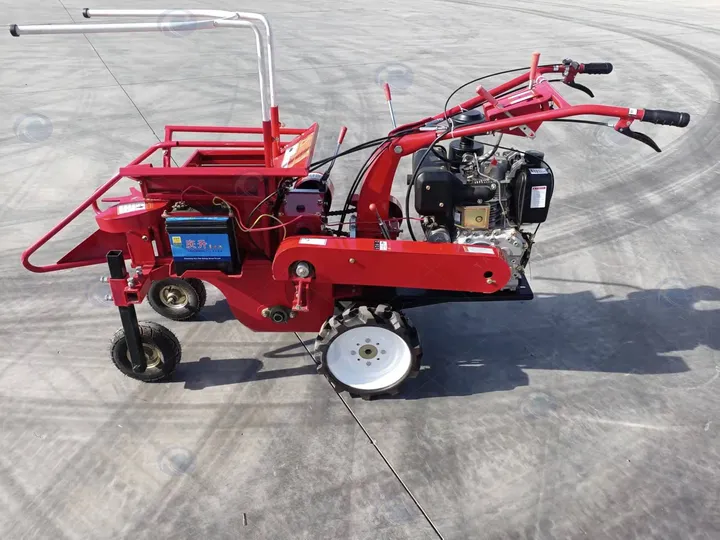
- حصادة الذرة – الحصاد بكفاءة للذرة عند مستويات رطوبة مثالية للتجفيف
-
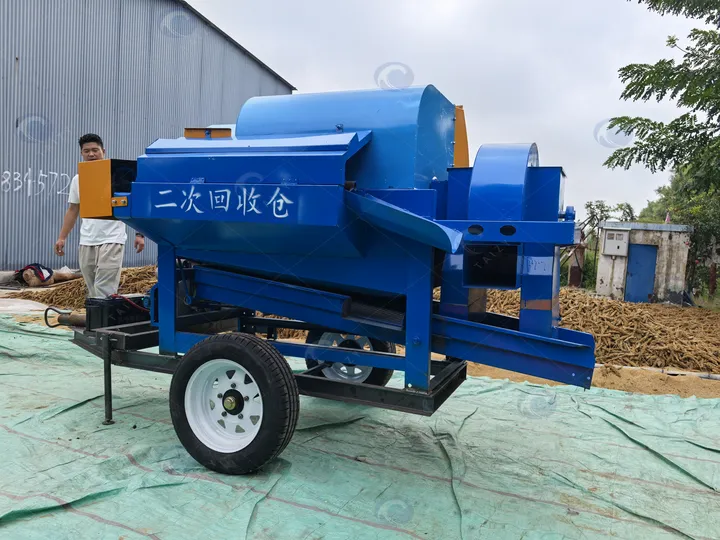
- مقشرة الذرة التجارية – إزالة الحبوب من السيقان قبل التجفيف، مما يزيد من كفاءة التجفيف
-
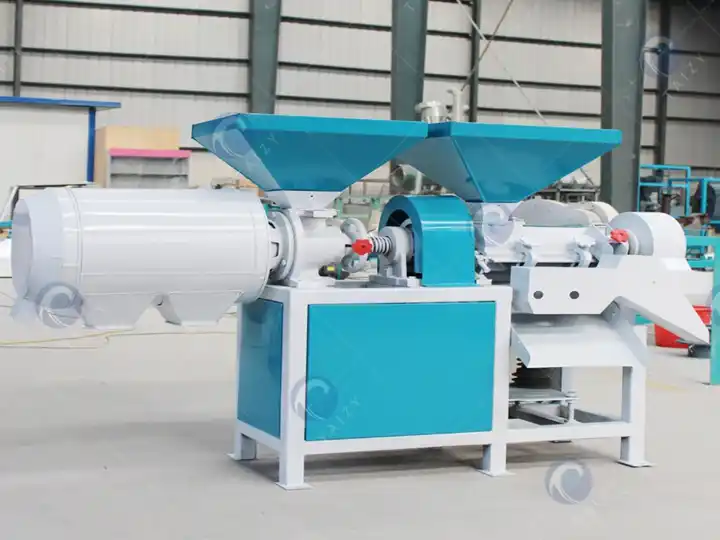
- آلة طحن جريش الذرة – معالجة الذرة المجففة إلى حبوب مضافة القيمة والدقيق
هل لديك أسئلة حول مجففات الذرة؟ اترك تعليقًا أدناه أو اتصل بفريقنا. نحن هنا لمساعدتك على النجاح!