Feed Pellet Production Line | TZ400 Corn-Based Animal Feed Processing System
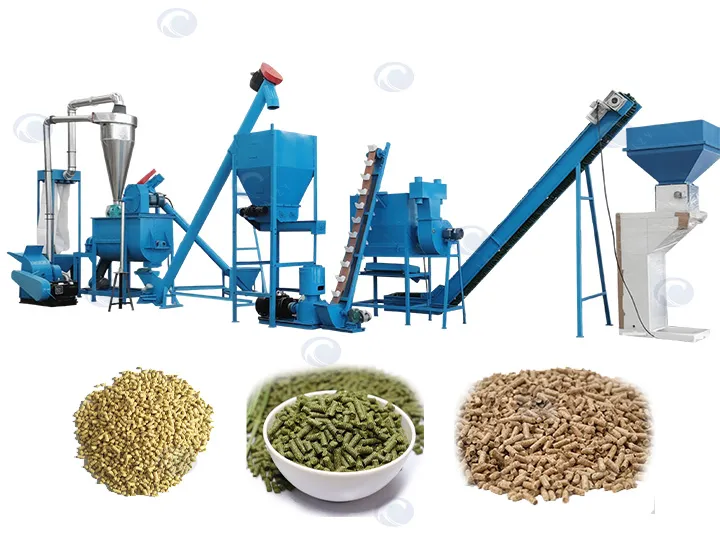
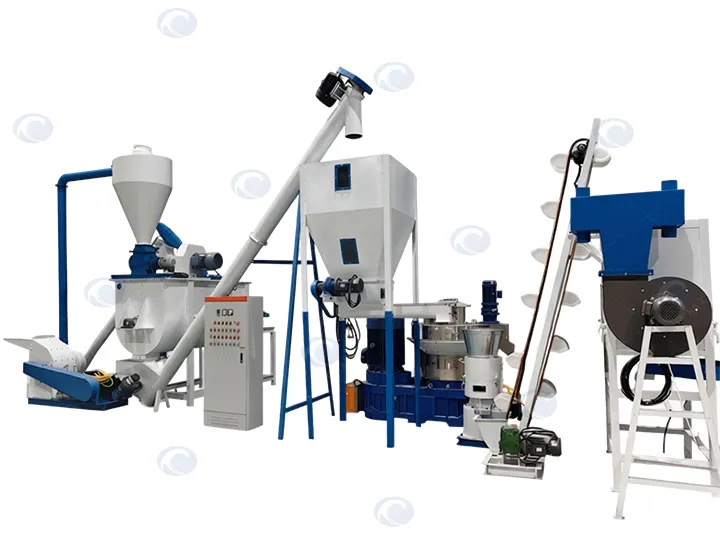
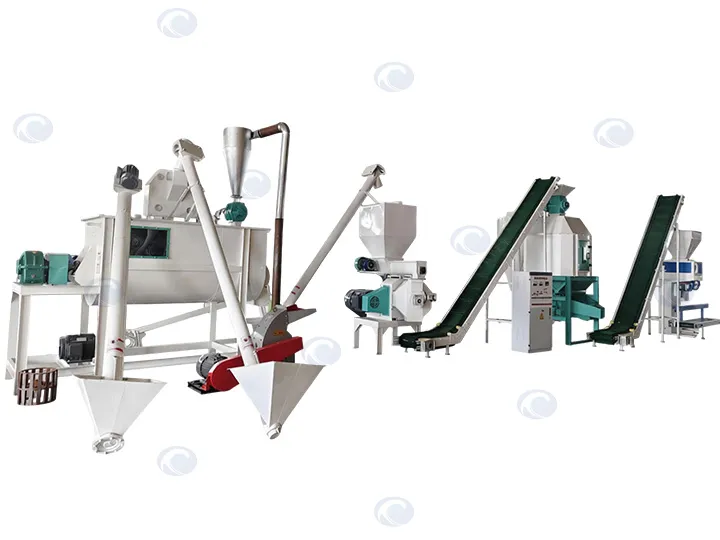
| Marca | Taizy Machinery |
| Material | Grains, Straw, Grass |
| Pellet Density | 0.6–1.2 t/m³ |
| Pellet Size | Diameter 2.5–8 mm |
| Capacidade | 800–1500 kg/h |
| Total Power | 89.16 kW |
| Covered Area | 22 × 5 × 5 m |
| Shipping | 40HQ Container |
Agora você pode pedir detalhes técnicos aos nossos gerentes de projeto
O TZ400 feed pellet production line is a turnkey feed processing solution engineered for livestock farmers, agricultural cooperatives, and commercial feed manufacturers seeking automated, large-scale feed production capabilities. This integrated system specializes in producing complete compound feed and forage pellets formulated for poultry, cattle, sheep, and various livestock species.
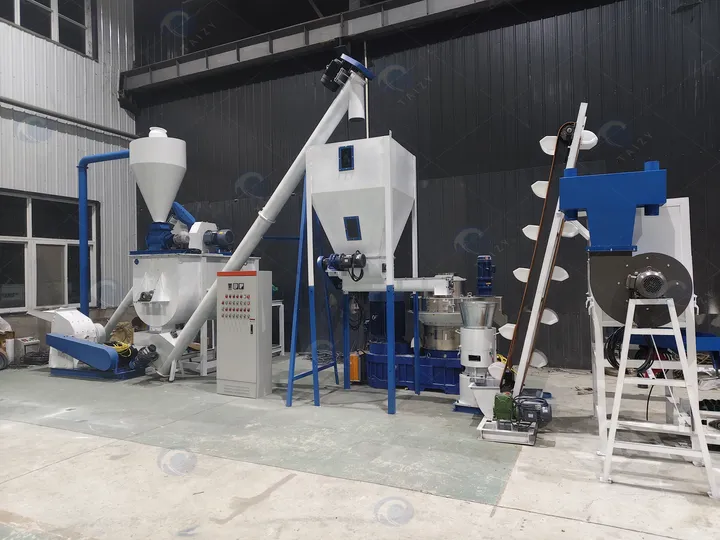
With a production capacity of 800–1,500 kg/h, this animal feed pellet mill transforms raw agricultural materials—primarily corn, straw, pasture, grains, oil cakes, rice bran, and wheat bran—into uniform, high-density feed pellets. The entire production workflow incorporates crushing, mixing, pelleting, cooling, screening, conveying, and packaging operations within a single coordinated system.
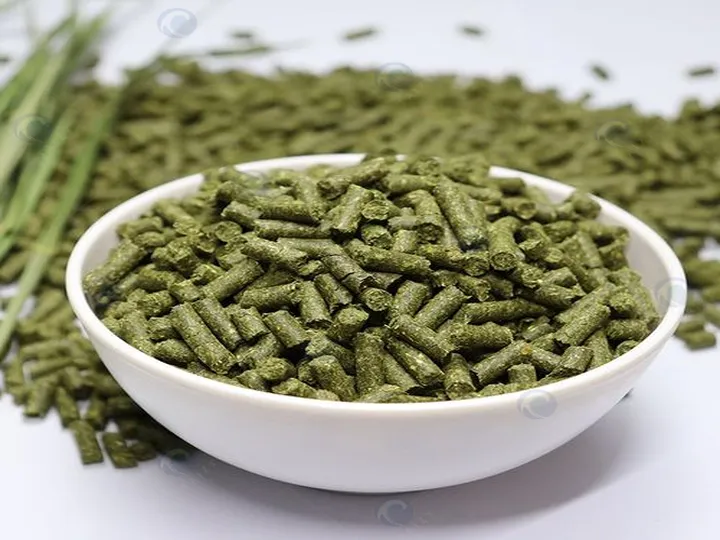
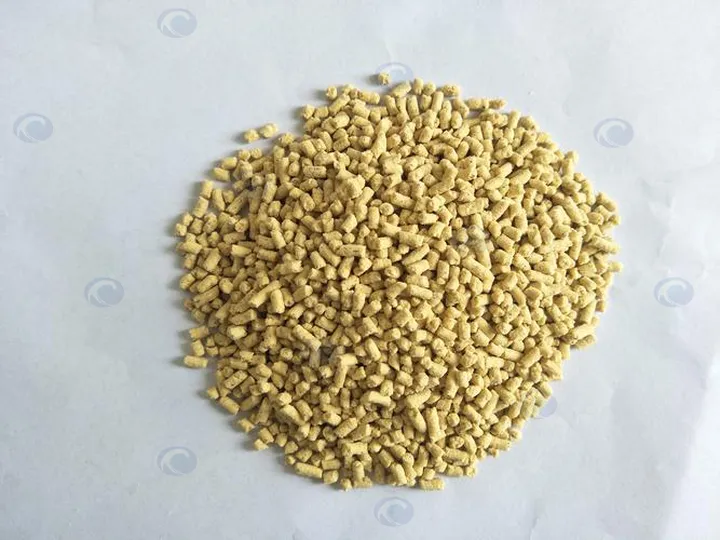
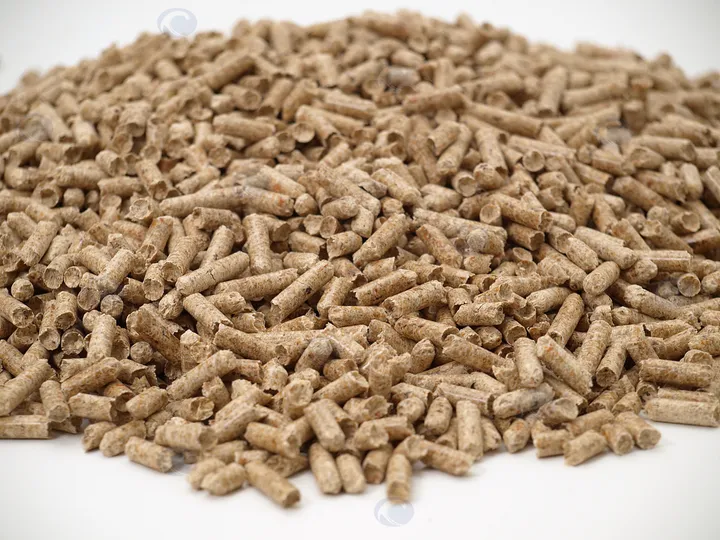
Corn serves as the primary energy source in typical feed formulations processed through this line. The standard test formulation utilizes 65% corn, 20% oil cake, and 15% rice bran or wheat bran, demonstrating the equipment’s optimization for corn-based feed production. This makes the TZ400 particularly valuable for maize-growing regions where farmers seek to add value to their corn harvest through on-farm feed processing.
Especificações Técnicas
| NO. | Item | Especificação |
|---|---|---|
| 1 | Material | Grains, Straw, Grass |
| 2 | Pellet Size | Diameter 2.5–8 mm |
| 3 | Pellet Density | 0.6–1.2 t/m³ |
| 4 | Capacidade | 800–1500 kg/h |
| 5 | Total Power | 89.16 kW |
| 6 | Covered Area | 22 × 5 × 5 m |
| 7 | Shipping | 40HQ Container |
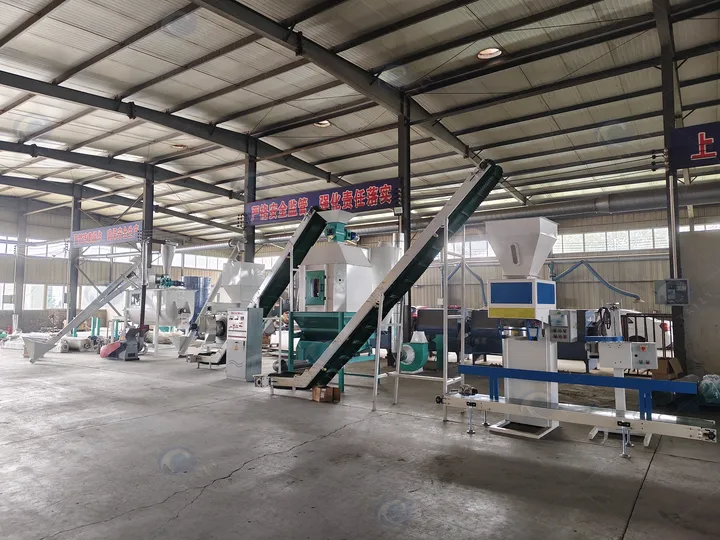
How Does the Feed Pellet Production Line Work?
This livestock feed production line operates as a continuous, integrated processing system where each component feeds seamlessly into the next.
Materials Requiring Crushing
Straw, pasture, and grains enter the hammer mill for size reduction. A fan system transports the pulverized material through cyclone dust collectors and airlock feeders into the mixing chamber.
Pre-ground Materials
Powdered ingredients bypass crushing and proceed directly to the mixer via screw conveyors.
Inside the twin-ribbon mixer, multiple ingredients achieve thorough homogenization. The blended material elevates to a storage silo, then meters through an adjustable-speed feeder into the pellet mill where compression forms dense feed pellets. Fresh hot pellets enter a cooling and screening unit for temperature reduction and fines separation. Qualified pellets travel via belt conveyor to the automatic packaging machine, which executes weighing, bagging, and sealing operations according to preset parameters.
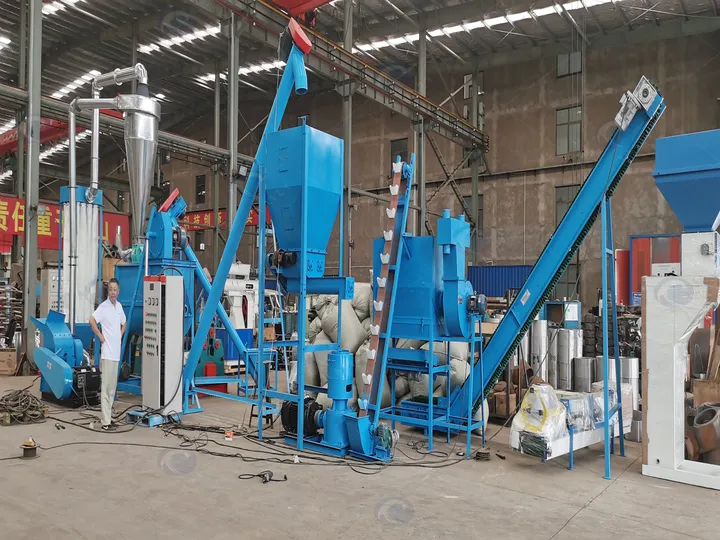
Raw Material Processing Requirements
Crushing Particle Size
- Grain materials: Must be crushed below 6mm
- Forage materials: Must be crushed below 10mm
Proper particle sizing ensures optimal mixing uniformity, reduces pelleting resistance, and minimizes finished product fines.
Moisture Content
Total moisture content of incoming forage and raw materials must not exceed 20%. Maintaining proper moisture prevents material adhesion, equipment blockages, and mold growth in finished pellets.
Ingredient Flexibility
The feed pellet making machine accommodates unlimited ratios of forage to powdered ingredients. Users may freely formulate feeds according to livestock species, nutritional standards, and specific dietary requirements.
What Machines Are Included in a Complete Feed Pellet Processing Line?
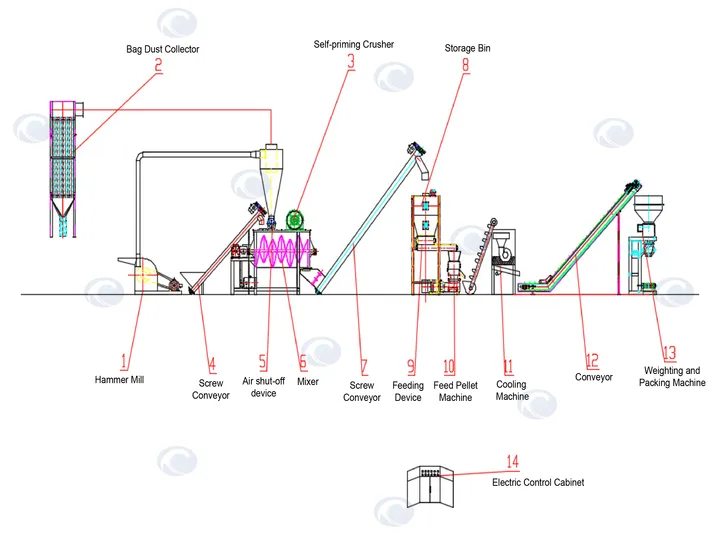
The TZ400 production line comprises fourteen specialized machines working in coordinated sequence:
| Equipment Name | Parameters |
|---|---|
| Hammer Mill | Model: 50-40 / MGFS500 Power: 22 KW Equipped with a cyclone |
| 16-bag Bag Dust Collector | 16 bags Filtering area: approx. 30 m² Air volume: 6000-9000 m³/h |
| Self-priming Crusher | Model: 9FQ-510×200 Power: 11 KW |
| Screw Conveyor (LS160) | Model: LS160 / MGLX160 Power: 2.2 KW / 1.5 KW |
| Air Shut-off Device | Model: TGFZ-250 / MGGF110 Power: 0.75 KW |
| Mixer | Model: 9HWP500 / MGWJ500 Power: 7.5 KW |
| Screw Conveyor (LS220) | Model: LS220 / MGLX220 Power: 5.5+0.75 KW / 3 KW |
| Storage Bin | Model: MGLC 1.0 Volume: 1 m³ With an observation window |
| Adjustable Speed Feeding Device | Model: LS160 / MGWL140 Power: 0.75 KW / 1.1 KW |
| Feed Pellet Machine | Model: ZLSG400 / MGPM400 Power: 30 KW With 4 rollers |
| Cooling Machine | Model: MGNL1.1 Power: 5.25 KW / 7 KW |
| Belt Conveyor | Model: QB380 / MGQB380 Power: 2.2 KW Quantity: 2 sets |
| Weighting and Packing Machine | Model: DCS50 / MGBZ500 Power: 1.26 KW / 1 KW Weight range: 25-50 kg/bag |
| Electric Control Cabinet | Total power of the whole line: 78.25 KW |
| Air Compressor | Supporting auxiliary equipment |
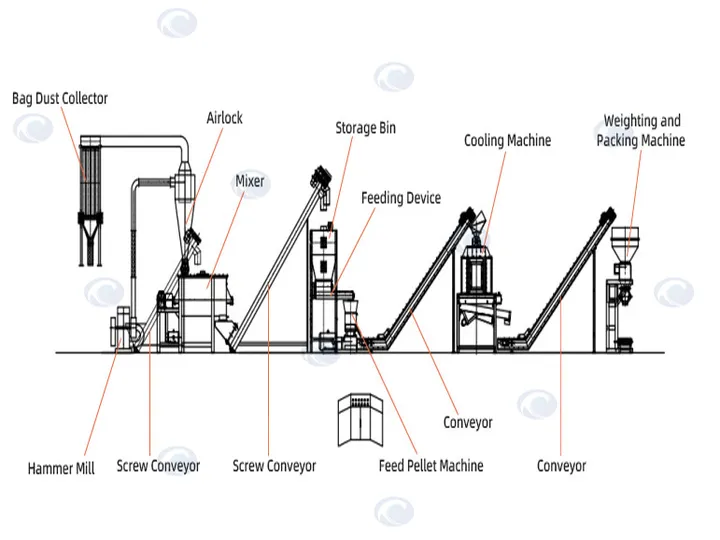
Main Machines Included in a Complete Feed Pellet Production Line
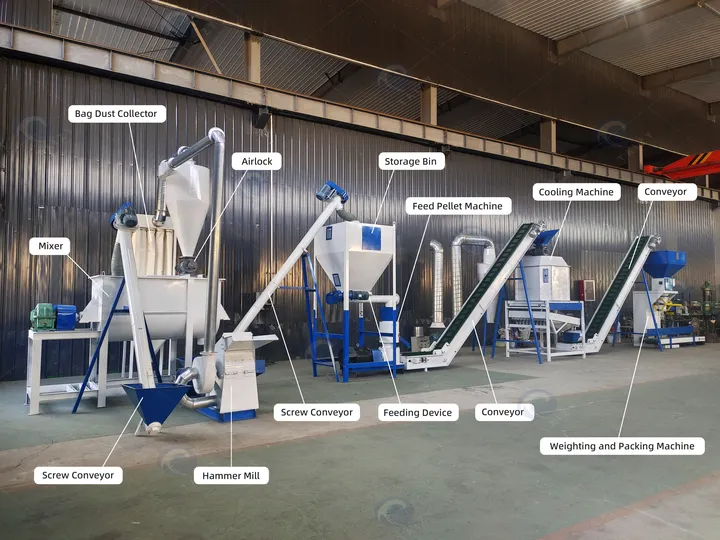
- Hammer Mill – Crushes corn, soybeans, dry straw, grass, and other raw materials into fine powder.
- 16-Bag Dust Collector – Filters dust generated during production and helps maintain a clean working environment.
- Self-Priming Crusher – Grinds various grains and agricultural materials for feed processing.
- Screw Conveyor 1 – Transports powder materials such as rice bran and wheat bran that do not require crushing.
- Airlock Valve – Ensures continuous and stable material discharge and is suitable for pneumatic conveying systems.
- Mixer / Feed Mixing Machine – Uniformly blends different raw materials to ensure consistent feed quality.
- Screw Conveyor 2 – Transfers the mixed materials to the storage bin.
- Storage Bin – Temporarily stores processed materials and allows operators to monitor material levels.
- Variable-Speed Feeder / Frequency-Controlled Feeder – Feeds materials into the pellet mill at a controlled and uniform rate.
- Feed Pellet Mill – The core machine of the production line. It compresses powdered materials into feed pellets. The cutter at the discharge outlet can freely adjust pellet length, while the four-roller structure ensures stable operation and excellent pellet quality.
- Pellet Cooler / Counterflow Cooler – Reduces pellet temperature and removes excess moisture after pelletizing.
- Belt Conveyor – Transfers finished pellets from the cooling section to the packaging station.
- Automatic Weighing and Packing Machine – Automatically completes weighing, bagging, and sealing of finished feed pellets.
- Electrical Control Cabinet – Centrally controls and monitors the operation of the entire production line.
- Air Compressor – Supplies compressed air required for the operation of the complete feed pellet production line.
Processing Workflow Diagram
Raw Material Intake → Crushing → Dust Collection & Conveying → Mixing→ Elevating → Silo Storage → Metered Feeding → Pelleting→ Cooling & Screening → Belt Conveying → Automatic Packaging → Finished Feed
Taizy Offers Three Feed Pellet Production Line Solutions
Feed Pellet Production Line – Solution 1
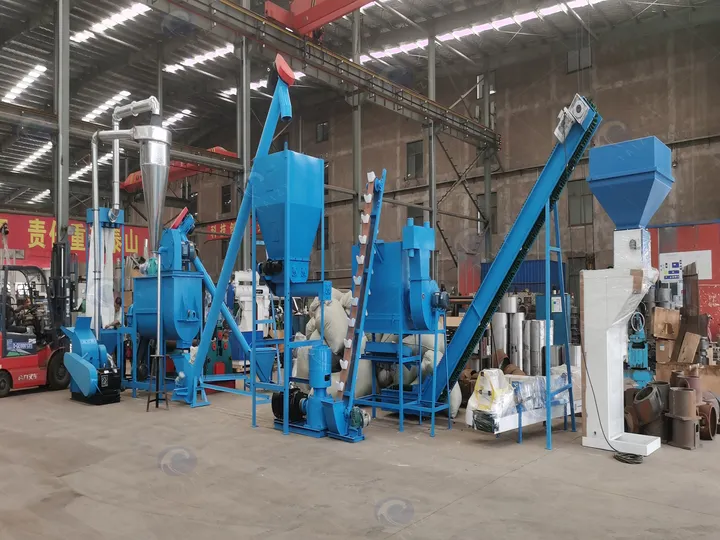
Feed Pellet Production Line – Solution 2
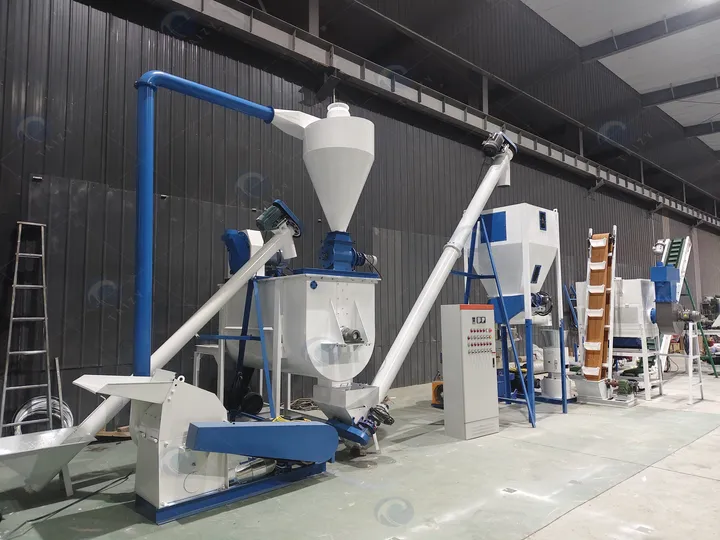
Feed Pellet Production Line – Solution 3
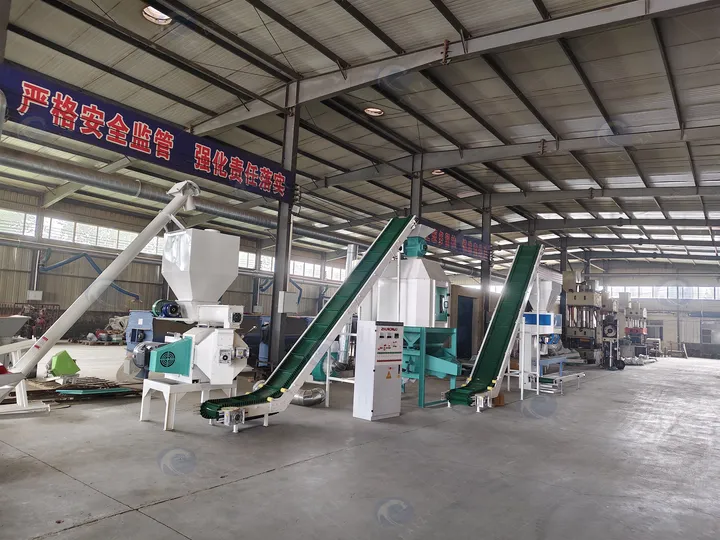
Key Differences Among Three Feed Pellet Processing Line Solutions
Solution 1: Standard Complete Feed Pellet Production Line
- Solution 1 is the standard configuration of a complete feed pellet production line. Both the pellet mill and the cooler are standard models. It serves as the baseline reference solution, while all auxiliary equipment follows a conventional configuration suitable for general feed production requirements.
Solution 2: Optimized Cooling System Solution
- Solution 2 uses the same equipment configuration as Solution A in all sections, including crushing, mixing, pelletizing, conveying, and packaging. The only difference is the cooling system, where the cooler model and technical parameters are upgraded or adjusted to meet specific cooling efficiency or capacity requirements.
Solution 3: Upgraded Pelletizing System Solution
- Solution 3 also keeps the same auxiliary equipment as Solution A, ensuring full-line consistency in crushing, mixing, cooling, conveying, and packaging. The only modification is the core pellet mill, which is upgraded to a different model or configuration to improve pelletizing capacity, efficiency, or output quality.
Overall Configuration Logic
All three solutions share the same complete production line structure, and the auxiliary equipment remains fully standardized. The differentiation is based on a single key component:
- Solution 1: Standard reference configuration (pellet mill + cooler standard)
- Solution 2: Modified cooling section (cooler upgraded)
- Solution 3: Modified pelletizing core (pellet mill upgraded)
This modular design allows flexible customization while maintaining a unified production system and stable compatibility across the entire line.
What Are the Key Advantages of a Feed Pellet Making Line for Corn and Feed Producers?
Optimized for Corn-Dominant Formulations
The TZ400 excels at processing corn-based feeds, making it ideal for maize farmers expanding into value-added feed production. The high corn-content test formulation (65%) demonstrates system capability for energy-rich livestock feeds.
Integrated Dust Management
The 16-cyclone dust collection system maintains air quality and recovers valuable fines for reprocessing, creating a cleaner working environment while maximizing material utilization.
Automated Packaging Precision
The DCS50 packaging system delivers consistent 25–50kg bag weights with high-accuracy load cells, supporting multiple bag types including plastic, kraft paper, and woven polypropylene.
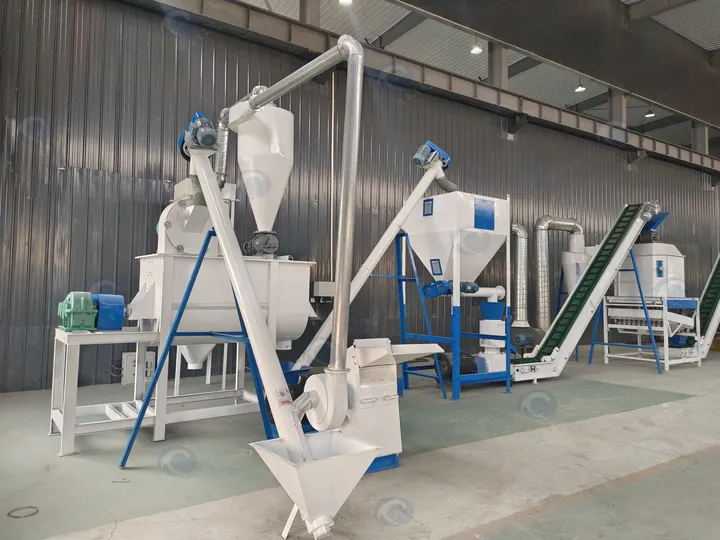
Flexible Layout Configuration
While the standard arrangement requires 22m × 5m × 5m space, the modular design permits staggered positioning to accommodate existing building constraints
Customer Requirements & Logistics
Customer-Supplied Components
- Compressed air supply
- Main power cable from distribution room to control cabinet
Transportation Specifications
- Recommended vehicle: 9.6m high-side truck or 40-foot high-cube container
What Are the Applications of a Feed Pellet Production Line?
This poultry feed production line serves diverse agricultural operations:
- Poultry farms – Chicken, duck, and turkey feed production
- Cattle operations – Dairy and beef cattle compound feeds
- Sheep and goat farming – Ruminant feed pellets
- Agricultural cooperatives – Centralized feed manufacturing
- Commercial feed mills – Small to medium-scale production facilities
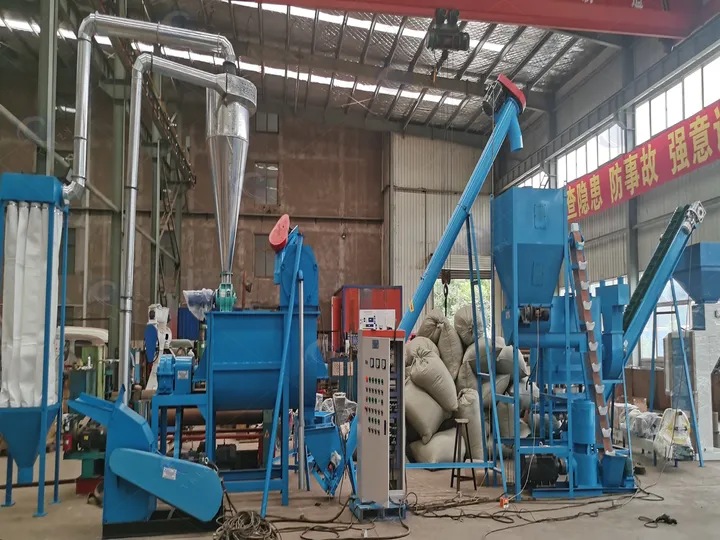
Why Taizy Feed Processing Equipment?
Vertical Integration Expertise
As specialists in corn and feed machinery covering the entire agricultural value chain—from raw material processing to finished feed production—Taizy understands how every stage of maize utilization affects final feed quality. This end-to-end engineering perspective allows us to design equipment that improves efficiency, reduces energy loss, and maximizes raw material utilization in real production environments.
Global Export Experience
With over 20 years of manufacturing and export experience, Taizy feed equipment has been delivered to more than 100 countries across Asia, Africa, Europe, and the Americas. Our machines are designed in accordance with international market requirements, including different voltage standards, climate adaptability, and operational conditions. This ensures stable performance in diverse industrial environments ranging from small farms to large commercial feed mills.
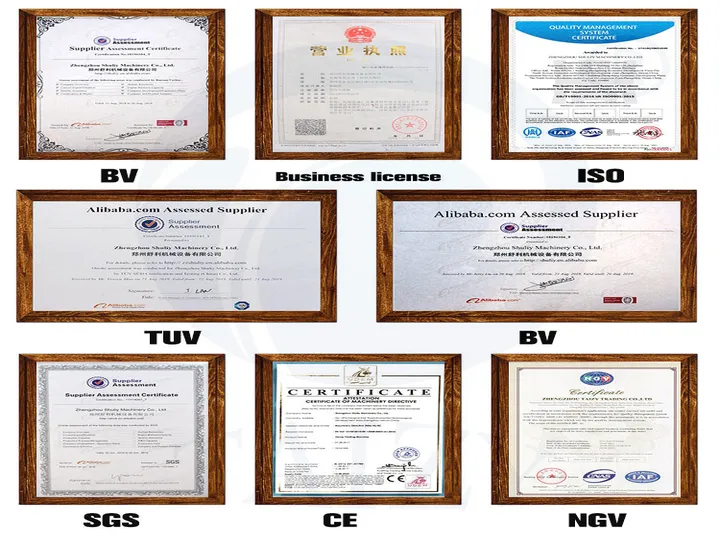
International Certifications & Quality Assurance
All Taizy feed processing equipment is manufactured under strict quality management systems and complies with internationally recognized standards, including:
- ISO9001 Quality Management System Certification
- CE Certification (European Conformity)
- Optional compliance with other regional standards upon request
Each production line undergoes factory testing, load verification, and operational debugging before shipment to ensure stable performance and safe operation.
Comprehensive Support System
- 12-month equipment warranty covering core components
- Lifetime technical support with remote troubleshooting assistance
- Multilingual engineering team for global customer communication
- Complete spare parts inventory for fast replacement and minimal downtime
- Optional on-site installation guidance and operator training
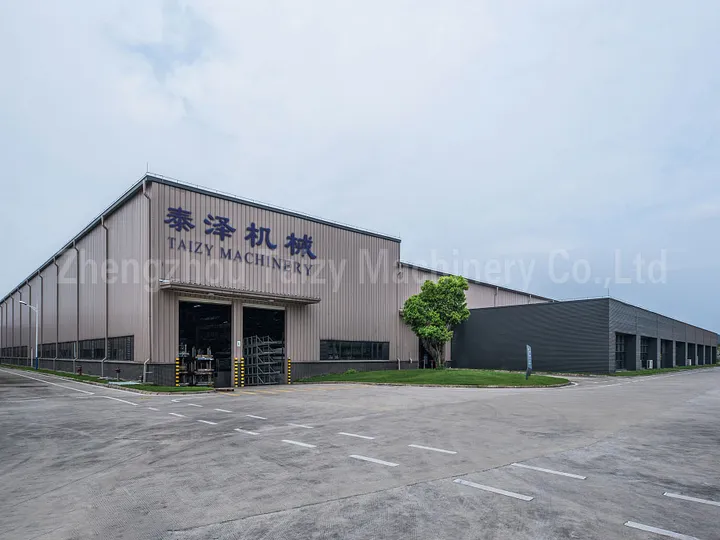
Engineering Reliability & Service Commitment
Beyond supplying equipment, Taizy focuses on long-term operational reliability. Each feed production line is engineered for continuous industrial use, with modular design for easy maintenance and upgrade. Our service system ensures that customers maintain stable production efficiency throughout the equipment lifecycle.
Perguntas Frequentes
How fine do raw materials need to be crushed before processing?
Grain materials should be crushed to a particle size of below 6 mm, while forage materials (such as straw and grass) should be reduced to 10 mm or less. Proper crushing ensures stable mixing, smooth pellet formation, and reduced wear on the pelletizing system.
Is there any requirement for moisture content of raw materials?
Yes. The moisture content of straw, grass, and other feed materials should be controlled at 20% or lower. Excess moisture may cause material sticking inside the system, reduce pellet quality, and affect long-term machine stability.
Is there a fixed ratio between forage and powder materials?
No. The system does not require a fixed mixing ratio. Users can freely adjust the proportion of forage materials and powdered ingredients based on livestock nutrition needs, local raw material availability, and formulation standards.
Can pellet length be adjusted?
Yes. Pellet length can be adjusted through a cutting knife installed at the pellet mill discharge outlet. By changing the knife position and cutting speed, operators can control pellet length to meet different feeding requirements.
What happens if raw materials are not properly prepared?
Improper preparation (such as oversized particles or excessive moisture) may lead to unstable pelleting, reduced output efficiency, higher energy consumption, and increased wear on key components such as the die and rollers.
Is the system suitable for different types of livestock feed formulas?
Yes. The production line is designed for flexible formulation and can process feed for poultry, cattle, sheep, goats, and other livestock by adjusting raw material composition and pellet specifications.
Does the system require special operator experience?
Basic training is sufficient. The control system is designed for centralized operation, and Taizy provides technical documentation and remote guidance to ensure operators can quickly learn the production process.
Equipamentos Relacionados
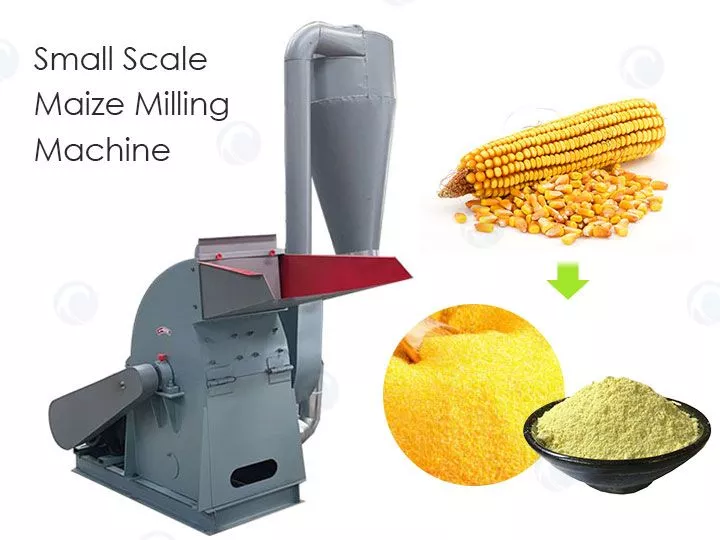
Fresadora de milho em pequena escala
Model 9FQ-750 is a compact maize milling unit powered by a 30 kW motor. It features small footprint and affordable cost. It can grind corn into fine flour with different mesh sizes, and also process grains and herbs. It is widely used in rural areas, feed mills, grain markets and herb factories.
Vantagens Principais
- Compact & Space-saving: Small overall size, easy to install and place.
- Excellent Grinding Performance: High-carbon steel blades ensure fine and uniform powder.
- Simple Operation: High automation level, user-friendly for operators.
- Wide Applicability: Handles corn, various grains and herbs for diverse processing needs.