How to Choose Between a Single-Auger and Twin-Auger Horizontal TMR Mixer?
When farmers shop for a horizontal TMR mixer, most compare capacity and price first. Auger count often gets overlooked, yet it determines how well the machine handles your actual feed ingredients. Choose wrong, and you end up with long, uncut straw in the ration or a machine that costs more than your farm needs.
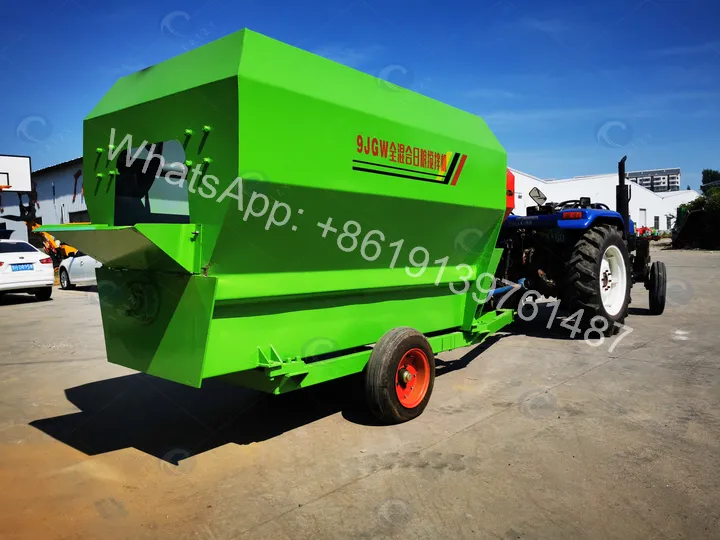
A single-auger mixer uses one horizontal screw shaft in the trough. A twin-auger TMR feed mixer uses two counter-rotating shafts that shear and knead feed between them. Both produce Total Mixed Ration, but they suit different recipes, herd sizes, and budgets. This guide walks through the real differences so you can match the machine to your daily feeding work.
How Do Single-Auger and Twin-Auger Horizontal TMR Mixers Work?
Single-Auger Design
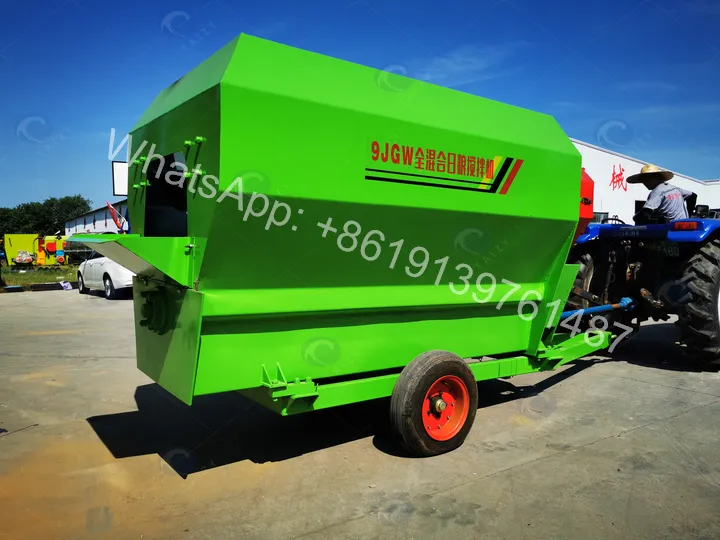
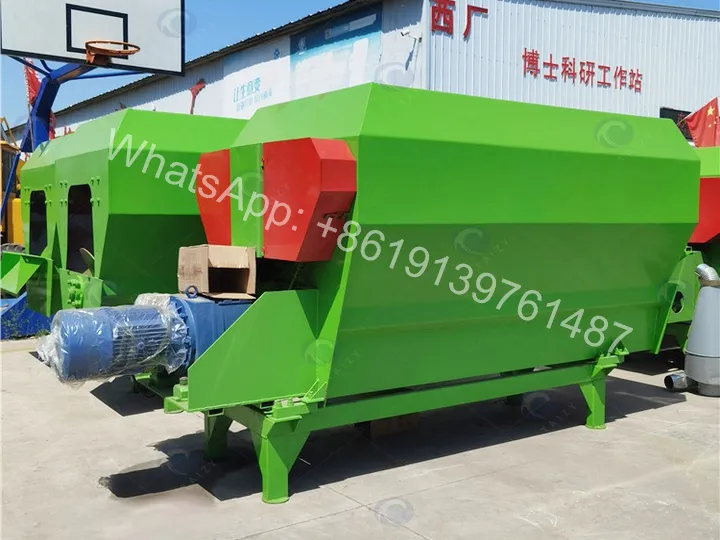
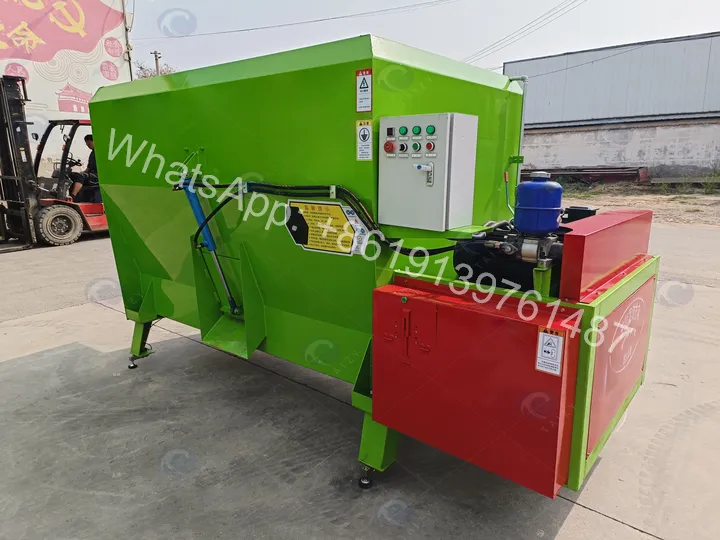
A single-auger mixer rotates one horizontal shaft inside the mixing trough. Blades on the spiral flight cut against fixed knives as material circulates. The structure is simple, with fewer bearings and a lighter drive system.
Twin-Auger Design
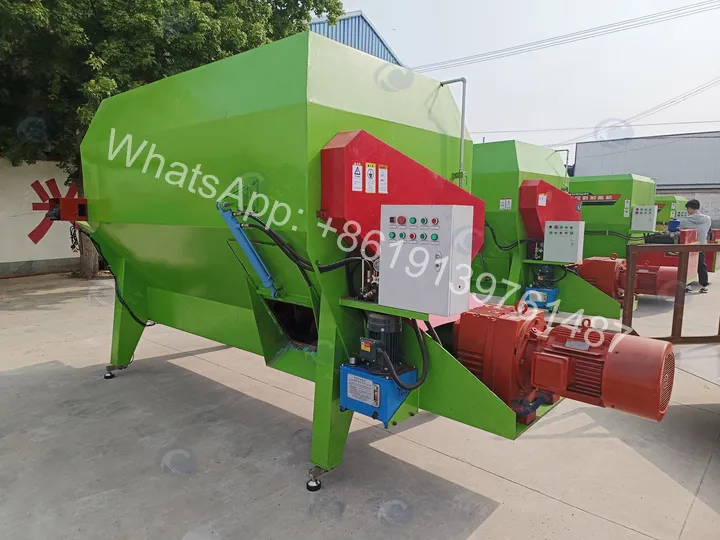
A twin-auger horizontal TMR mixer mounts two shafts side by side, rotating toward each other. Where the two spirals meet, feed gets squeezed, sheared, and torn apart. This aggressive action shortens long fibers quickly and produces a fluffier, more uniform mix.
Which Feed Ingredients Suit Each Horizontal TMR Mixer Type?
This is the deciding question for most buyers.
Choose a single-auger model if your ration is built on:
- Corn silage and grass silage
- Ground or cracked grain
- Short hay and chopped forage
- By-products such as brewers grains or beet pulp

Choose a twin-auger model if your ration regularly includes:
- Whole round or square hay bales
- Long straw and maize stover
- Dry, coarse forage that needs serious cutting
- High-roughage rations for beef cattle
A practical rule: if long-fiber forage makes up more than a third of your ration by weight, the twin-auger design will pay for itself in mixing speed and ration quality.
How Do Mixing Quality and Efficiency Compare?
The twin-auger design wins on both counts for fibrous rations. The counter-rotating shearing zone cuts long stems faster, so a batch finishes in 10–20 minutes with better uniformity. Cattle cannot sort a well-mixed TMR, which means every cow gets the same nutrition.
A single-auger cattle feed mixer mixes silage-based rations perfectly well but takes longer on long hay and may leave some uncut material if bales go in whole. For silage-heavy dairy rations, the difference in final ration quality is small.
Which Horizontal TMR Mixer Fits Your Herd Size and Budget?
| Farm Situation | Recommended Choice |
|---|---|
| Under 150 head, silage-based ration | Single-auger |
| 150–500 head, mixed forage | Twin-auger |
| Beef feedlot feeding long straw | Twin-auger |
| Tight budget, short forage only | Single-auger |
| Whole bales loaded daily | Twin-auger |
A single-auger machine costs less to buy and less to maintain, with fewer bearings, seals, and drive components. It also draws less power for the same hopper size, which matters on farms with limited electrical capacity. Twin-auger models cost more upfront but handle tougher jobs without strain, which protects the gearbox over years of daily use.
What Are the Differences in Maintenance and Power Requirements?
Single-auger mixers have one shaft, one drive line, and fewer wear parts. Routine maintenance is limited to blade checks, bearing greasing, and gearbox oil changes.
Twin-auger machines carry twice the shafts and bearings, and the two augers must stay synchronized through the gearbox or chain drive. A quality industrial gearbox handles this without trouble, but it is worth asking your supplier which gearbox brand is fitted and how the timing is adjusted.
For power, expect a single-auger 5 m³ mixer to run on roughly 11–15 kW, while a twin-auger machine of the same volume typically uses two smaller motors, such as 7.5 + 7.5 kW. Direct-drive versions of both designs eliminate belt slippage and reduce power loss compared with older belt-driven models.
What Common Mistakes Should Buyers Avoid When Choosing a Mixer?
- Buying on price alone. A cheap single-auger machine fed whole bales every day will wear blades and strain the drive system.
- Oversizing. An 8 m³ mixer running half-full mixes poorly. Choose capacity based on actual batch weight.
- Ignoring feed moisture. Very wet silage behaves differently from dry hay. Tell the supplier your real recipe.
- Skipping the weighing system. Accurate ingredient weights matter more than auger count for ration consistency.
Where Can You Buy a Horizontal TMR Mixer from a Reliable Manufacturer?
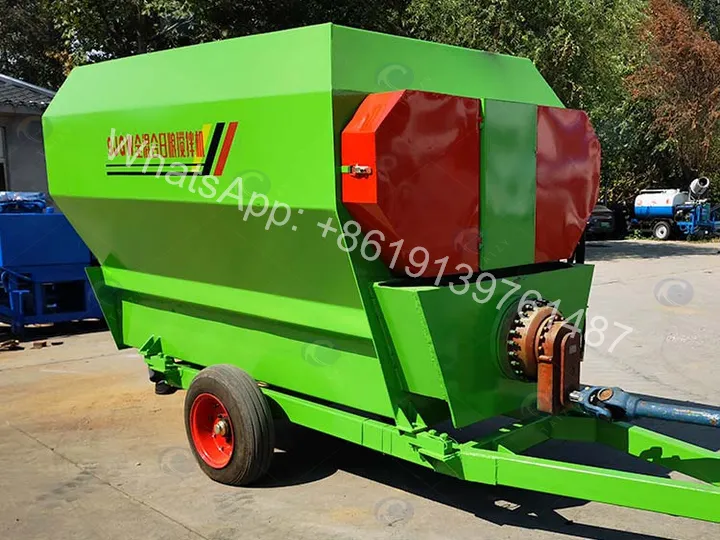
Taizy manufactures horizontal TMR feed mixers in both single-auger and twin-auger designs, from 2 m³ to 12 m³, with electric, tractor PTO, or dual-power drive. Both designs use hardened blades and industrial gearboxes, and the weighing system comes standard.
Not sure which auger configuration fits your ration? Send Taizy your herd size and feed ingredient list, and the team will recommend the right model with a detailed quotation.
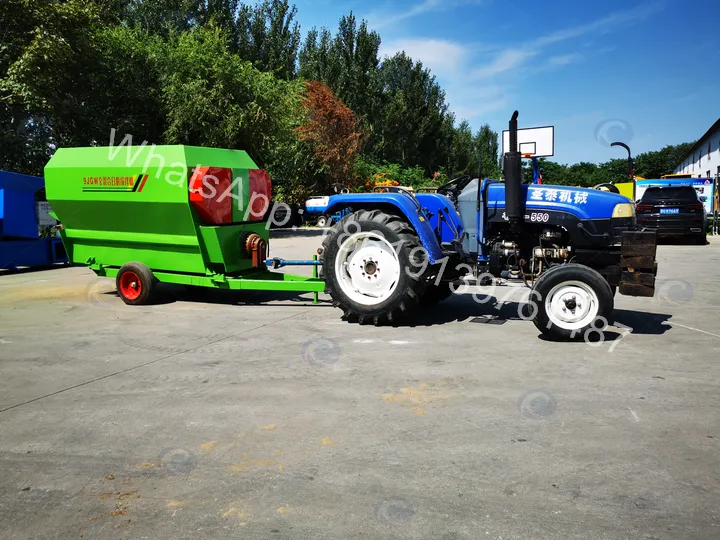
How to Choose the Right Horizontal TMR Mixer for Your Farm?
The single-auger vs twin-auger decision comes down to your forage. Short, silage-based rations run perfectly on a simpler, cheaper single-auger machine. Long straw, stover, and whole bales demand the shearing power of twin augers. Match the machine to what actually goes into the hopper every day, and the mixer will serve your herd reliably for years.