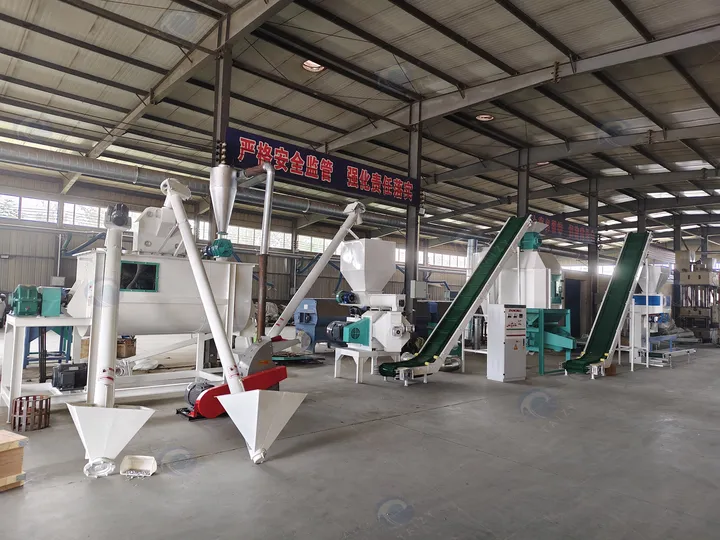
How to Choose the Right Feed Pellet Production Line for Your Farm?
What Size Feed Pellet Production Line Do You Actually Need?
Selecting the appropriate feed pellet production line depends on three critical factors: your livestock population, available raw materials, and growth projections. Small farms with under 500 animals typically require systems processing 500–1,000 kg/h, while commercial operations serving multiple farms need equipment handling 2,000+ kg/h.
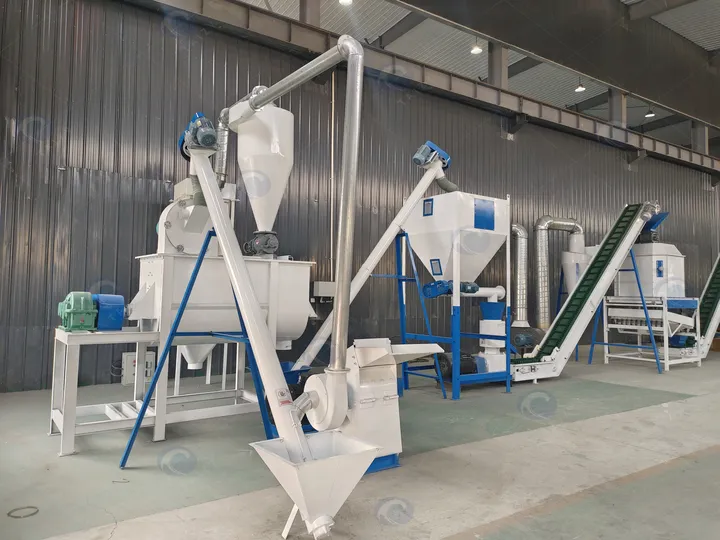
This guide walks you through the decision-making process, helping you match equipment specifications to your actual production requirements without overspending on unnecessary capacity.
Assess Your Current and Future Feed Requirements
Calculate Daily Feed Consumption
Start by determining your total daily feed needs:
| Livestock Type | Daily Feed Requirement |
|---|---|
| Poultry | 0.1–0.15 kg per bird daily |
| Cattle | 2–3% of body weight daily |
| Sheep/Goats | 3–4% of body weight daily |
Multiply by your animal count, then factor in a 20% buffer for growth or seasonal variations. This calculation reveals your target daily production volume.
Project Your 5-Year Needs
Equipment represents a long-term investment. If you plan to expand your herd or offer feed processing services to neighbouring farms, select an animal feed pellet mill with 30–50% additional capacity. Upgrading later costs significantly more than sizing appropriately initially.
Evaluate Your Raw Material Situation
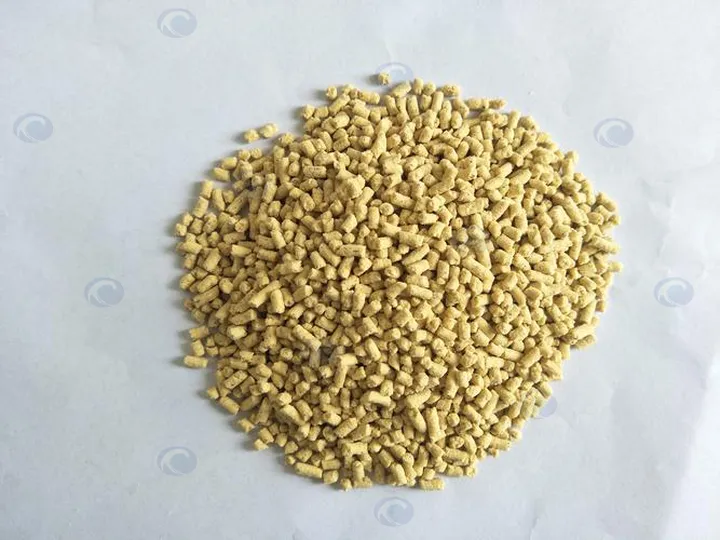
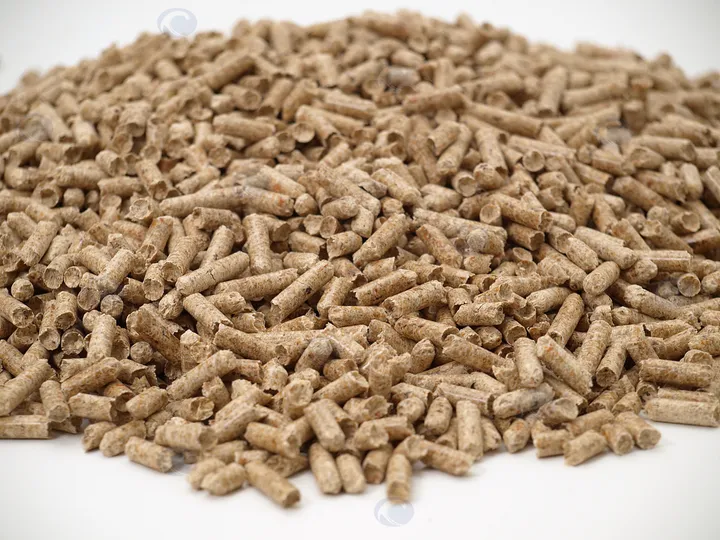
For farms in maize-growing regions, corn typically constitutes 60–70% of feed formulations. The TZ400 feed pellet processing line excels at handling corn-dominant recipes, processing 800–1,500 kg/h depending on grain content percentage.
Consider these material factors:
| Material Type | Processing Requirement | Equipment Impact |
|---|---|---|
| Whole corn | Requires grinding | Needs hammer mill |
| Corn meal | Pre-ground | Can bypass crusher |
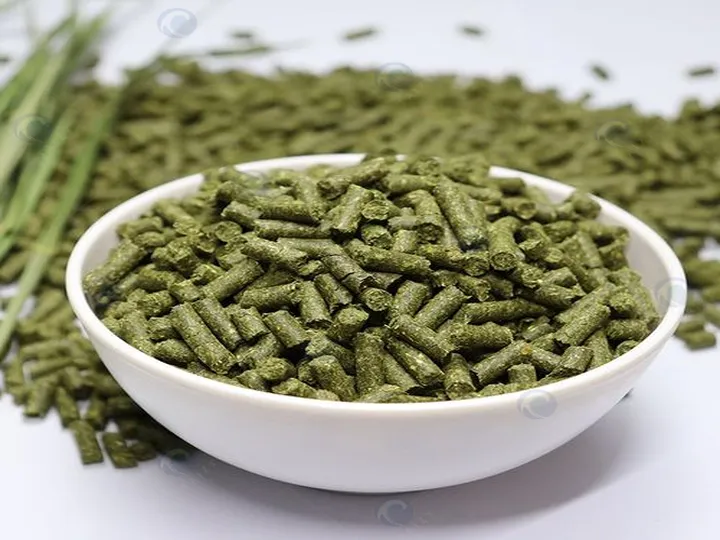
| Fresh pasture | Must dry or mix with dry ingredients | Affects moisture control |
| Oil cakes | Pre-ground | Direct to mixer |
Storage and Handling
Your raw material storage capacity should support 7–10 days of production. Insufficient storage forces frequent small-batch purchases, increasing costs and complicating logistics.
Key Equipment Specifications to Compare
Production Capacity
Match capacity to your calculated needs:
- Small farms (under 500 animals): 300–800 kg/h systems
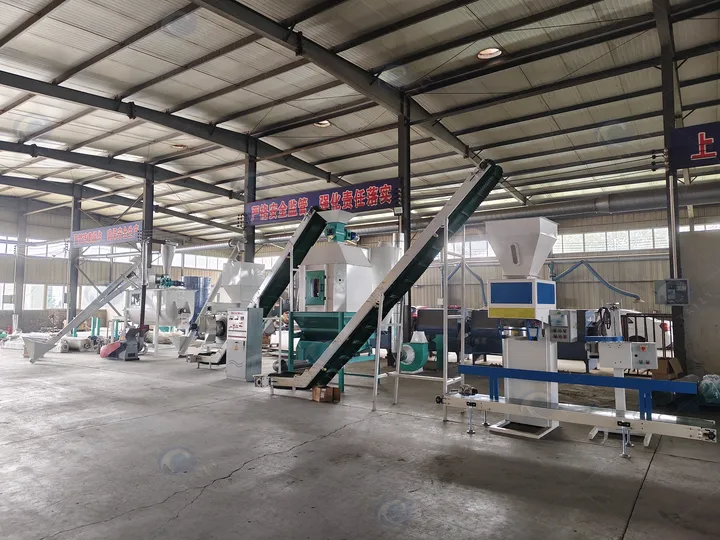
- Medium operations (500–2,000 animals): 800–1,500 kg/h systems like TZ400
- Commercial facilities (2,000+ animals): 2,000–5,000 kg/h systems
Power Requirements
Verify your electrical infrastructure supports the equipment:
- Small systems: 30–50 kW
- Medium systems: 80–100 kW (TZ400 requires 89.16 kW)
- Large systems: 150+ kW
Rural locations with unstable power should consider voltage regulation equipment or a diesel generator backup.
Pellet Size Flexibility
Different animals require different pellet diameters:
| Animal Type | Pellet Diameter |
|---|---|
| Broiler chickens | 3–4 mm |
| Layers | 4–5 mm |
| Piglets | 2.5–3 mm |
| Finishing pigs | 5–6 mm |
| Cattle | 6–8 mm |
Ensure your feed pellet making machine supports quick die changes or adjustable settings for your target species.
Essential Components Checklist
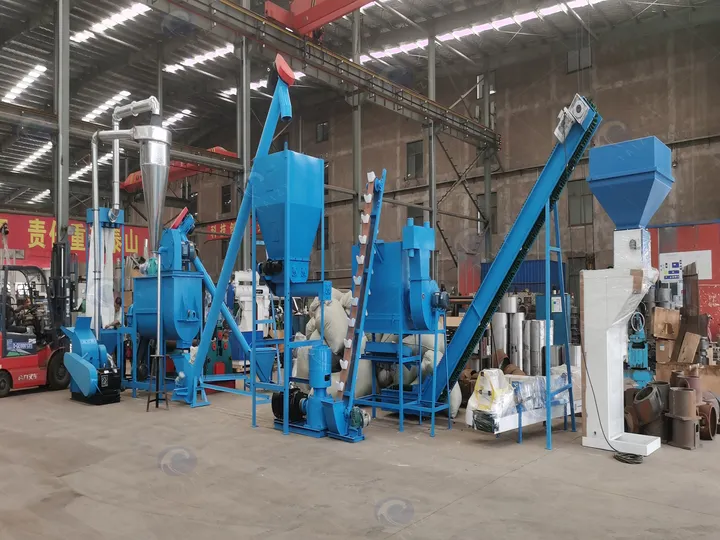
Mandatory Components
- Raw material crusher/grinder
- Mixing equipment (twin-ribbon or paddle mixer)
- Pellet mill with conditioner
- Cooling system
- Screening unit
- Packaging equipment
Highly Recommended
- Dust collection system (improves working conditions)
- Metal separator (protects pellet mill dies)
- Automatic weighing and bagging
- Centralised control panel
Optional but Valuable
- Silo storage systems
- Liquid additive systems
- Pellet crumbler (for creating mash feed)
Budget Planning: Beyond Equipment Price
Initial Investment Breakdown
| Cost Category | Percentage of Total |
|---|---|
| Production line equipment | 60–70% |
| Installasie en inbedryfstelling | 10–15% |
| Electrical infrastructure | 10–15% |
| Initial raw material inventory | 5–10% |
| Spare parts and tools | 3–5% |
Operating Cost Considerations
Calculate your per-ton production costs:
- Electricity: Typically $8–15 per ton
- Labor: $3–8 per ton depending on automation level
- Die and roller wear: $2–4 per ton
- Maintenance: $1–2 per ton
Higher-capacity equipment generally delivers lower per-ton operating costs through improved efficiency.
Red Flags: Avoid These Common Mistakes
Buying Based on Price Alone
The cheapest poultry feed production line often costs more in the long term due to excessive downtime, poor pellet quality, and high spare parts consumption. Evaluate the total cost of ownership over 5–10 years.
Ignoring Local Support
Equipment breaks down. Verify your supplier provides:
- Technical documentation in your language
- Available spare parts inventory
- Remote troubleshooting support
- Installation supervision options
Overlooking Raw Material Variability
If your corn supply varies seasonally or you plan to incorporate alternative ingredients, ensure the system handles material variations without constant adjustments.
Questions to Ask Suppliers
Before committing to a purchase, request answers to these questions:
- What is the actual production rate with 65% corn formulation?
- What is the expected die lifespan with your typical raw materials?
- What training and documentation do you provide?
- What is the typical delivery and installation timeline?
- What warranty coverage and spare parts support do you offer?
Recommended Next Steps
- Audit your current situation – Document animal numbers, feed consumption, and raw material sources.
- Request multiple quotations – Compare specifications, not just prices.
- Visit operating installations – Observe similar equipment in actual production environments.
- Verify electrical requirements – Confirm your facility supports the equipment power needs.
- Plan your space – Ensure adequate room for equipment, raw material storage, and finished product.
Afsluiting
Choosing the right feed pellet production line requires balancing your current needs against future growth, understanding your raw material situation, and evaluating total cost of ownership rather than just purchase price.
For farms processing corn-based feeds at 800–1,500 kg/h capacity, integrated systems like the TZ400 offer compelling value through coordinated operation, consistent pellet quality, and reasonable capital investment.